
Municipal manhole inspection / 3D assessment
We inspect your city’s
leaking manholes.
When rain increases flow at your pump stations, leaking manhole joints are one place to investigate. We record visible water entry and wall damage, then provide reviewed reports and 3D models so your engineer can assess repairs.
We inspect municipal collection systems and commercial facilities.
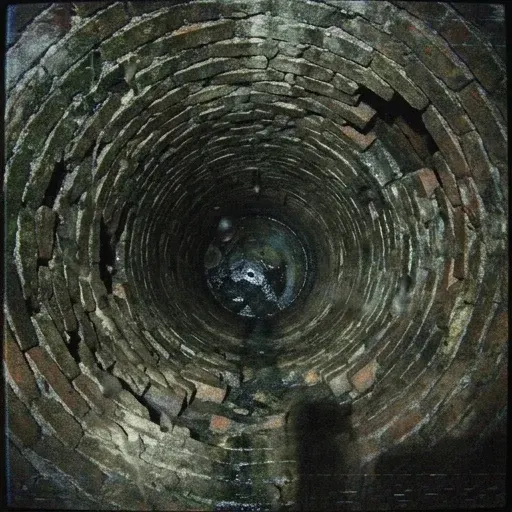
We inspect your manhole walls without an inspector entering.
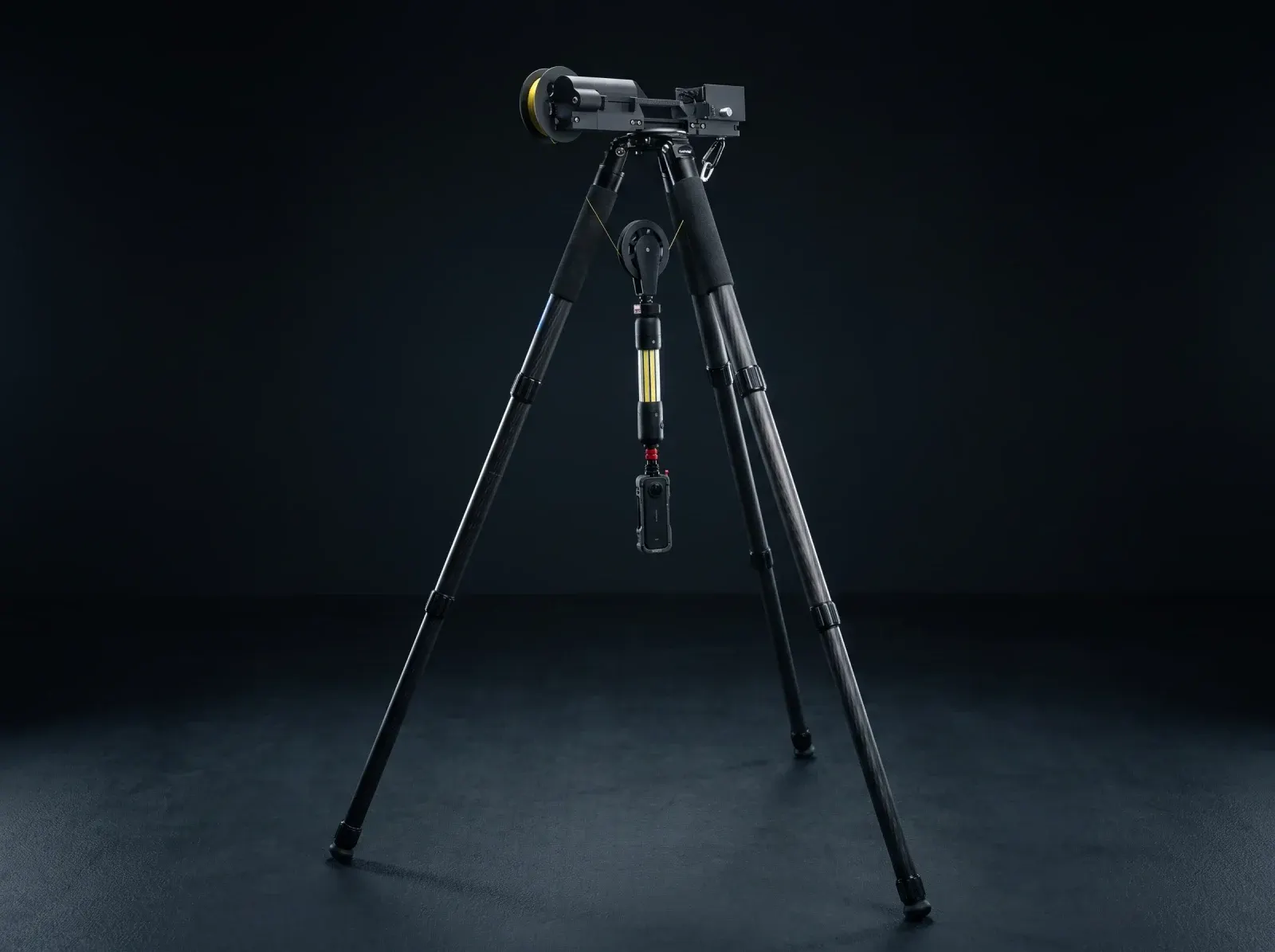
When your staff needs a closer view of deteriorated joints or pipe entries, our crew lowers an illuminated 360-degree camera from the surface. It records accessible wall and base conditions for technician review, with each capture linked to your manhole identifier.
360°360° surface-deployed capture
Your manhole’s condition determines what needs repair.
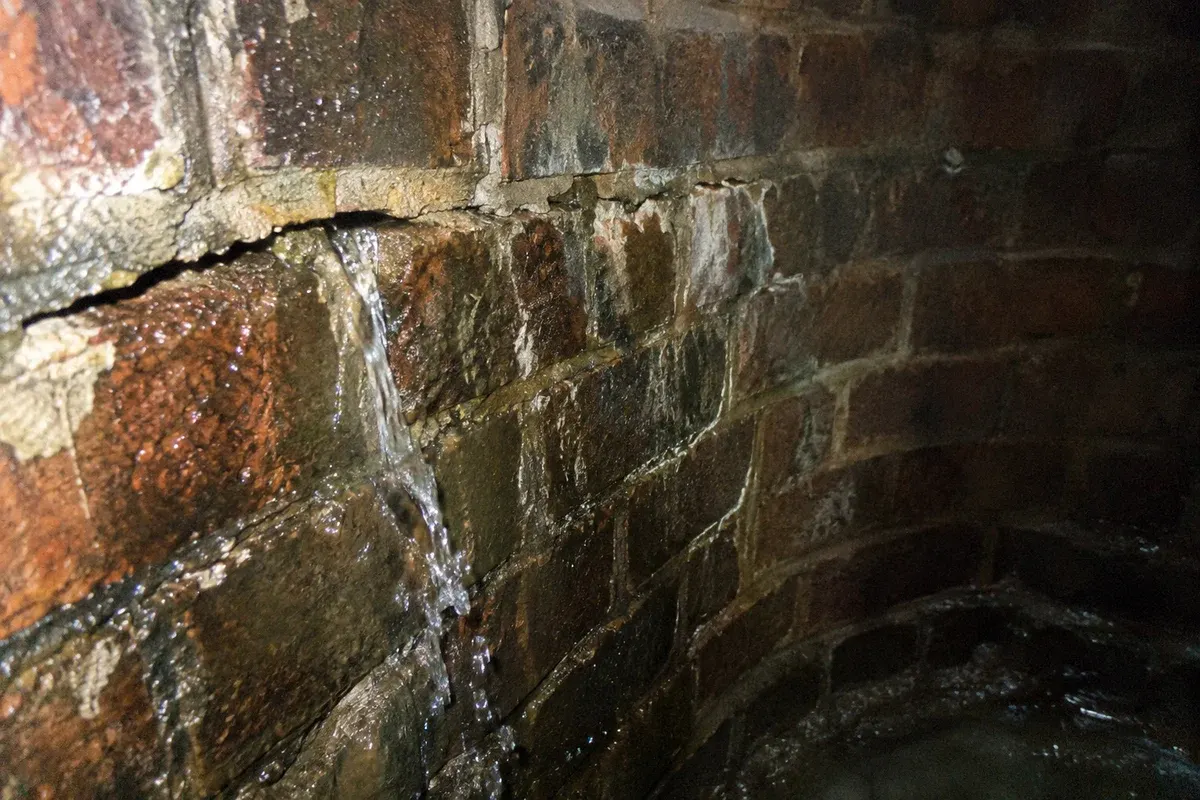
We locate visible water entry at your manhole joints.
If your city sees higher sewer flows after rain, leaking joints and deteriorated mortar are possible entry paths. Our inspection records where water is entering your manhole so your staff can identify locations for repair assessment. We also provide grouting for suitable leakage locations under a separate repair scope.
Capture documents accessible surfaces and visible water entry during the inspection.
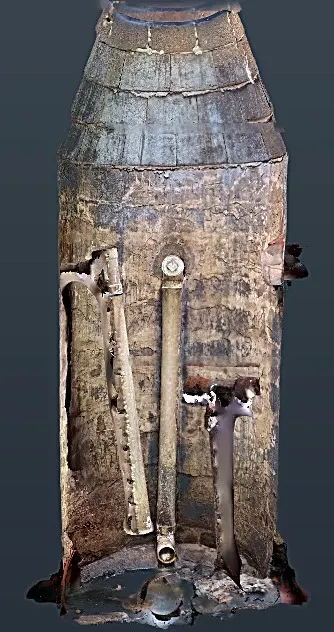
Compare your manhole’s damaged walls and connections in 3D.
A selected photograph may leave your engineer needing another view of a damaged wall or pipe entry. We use SewerAI to reconstruct the captured interior as a 3D model and point cloud, so the same recorded surfaces can be examined from different angles when defining rehabilitation.
Models represent captured surfaces. We confirm export formats and measurement limits for your project.
Compare manhole conditions before you allocate rehabilitation funds.
When your city cannot rehabilitate every aging manhole at once, your staff needs comparable condition records. Our reviewed reports tie visible leakage and wall damage to each manhole identifier, so your engineer can compare the inspected assets and define which repairs belong in the proposed program.
MACP assessment
We document observed conditions at the selected Manhole Assessment Certification Program (MACP) Level 1 or Level 2 so your engineer can compare the inspected manholes.
3D models and point clouds
You receive a 3D model and point cloud so your engineer can revisit captured walls and pipe entries from different angles when defining rehabilitation.
Condition reports and GIS data
We link inspection findings to your manhole identifiers, so staff can locate each asset on your geographic information system (GIS) map when preparing a rehabilitation list.
Our technicians review the inspection images and condition coding.
Read the assessment answers.Request pricing for your city’s manhole inspection.
Tell us your city, the area or manholes causing concern and an approximate count if you have one. We can price an inspection of those locations or a wider assessment for your rehabilitation program.
Call our team.515-434-2248info@citsewer.comRequest your city’s inspection pricing.
Plan your city’s manhole assessment with us.
Can you investigate manholes in our wet-weather problem area?+
Yes. We inspect accessible manhole walls, joints and pipe connections for visible water entry. If your city needs to compare wet-weather flow across sewer areas, we can scope temporary flow monitoring and further source investigation separately. A manhole inspection does not measure all inflow and infiltration in your collection system.
What does our municipal manhole assessment include?+
Your package includes the selected Manhole Assessment Certification Program (MACP) Level 1 or Level 2 assessment, a 3D model and point cloud, shareable condition reports and geographic information system (GIS) data. Our technicians review the inspection images and condition coding. Your staff and engineer can compare recorded wall damage and leaking joints when defining rehabilitation priorities.
Can CIT repair the manhole leaks you find?+
We provide manhole and structure grouting for suitable leakage locations. Deteriorated walls may also need rehabilitation beyond sealing the water-entry path. We assess the observed conditions and agree any grouting or other repair separately from the inspection.
Can our staff review sample reports and models first?+
Yes. Request a sample review so your staff and engineer can examine how a condition report, inspection image and 3D model describe a manhole. We can also quote a pilot of approximately 10 to 25 manholes before a larger program. The pilot is separately priced and is not a minimum inspection quantity.
Can we start without a complete manhole inventory?+
Yes. Tell us your city, the streets or sewer area involved and the problem your staff is investigating. Include an approximate manhole count, existing identifiers or access restrictions if you know them. We can discuss inspection pricing before you have a complete asset list.
Will the inspection show every leak and hidden defect?+
Our camera records accessible surfaces and water entry visible at the time of inspection. The 3D model reconstructs those captured surfaces. Neither establishes hidden conditions, structural capacity or watertightness. Your engineer uses the recorded conditions when evaluating rehabilitation.
Where can CIT inspect our city’s manholes?+
We travel for projects in Iowa, Minnesota, Missouri, Nebraska, Arkansas and Colorado. Contact us about your city and the manholes or sewer area you want assessed so we can discuss access and scheduling.
Can you also inspect a single manhole at our facility?+
Yes. We inspect individual manholes at commercial and industrial facilities as well as municipal systems. A basic visual inspection has a separate scope from the municipal assessment package. We confirm the inspection and reporting your facility needs when preparing your quote.
