
CIT Sewer Solutions
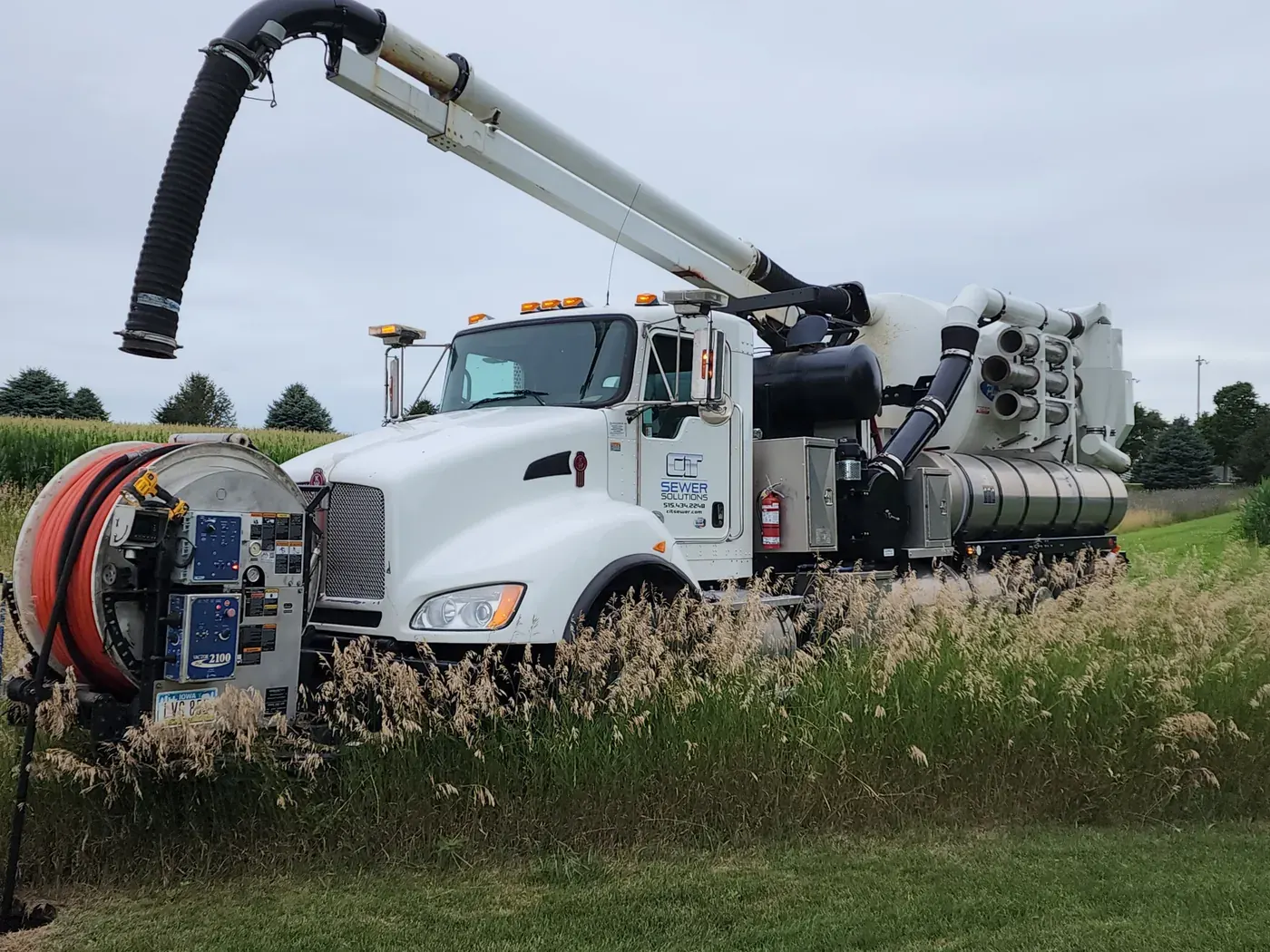
A CIT combination truck positioned in the field with its vacuum boom extended.

Maintenance programs

We clean and inspect your collection system through an annual program.

Our annual sewer program combines jetting, CCTV inspection, and a review of the defects we find. We clean and inspect a planned portion of your system each year, helping your staff address deposits and identify damaged sections before setting the next maintenance and repair budget.

  • Your annual program combines cleaning and CCTV inspection.
  • Our PACP-certified inspectors code your pipe conditions.
  • Your priorities and asset count guide the program scope.

Plan your sewer maintenance program.

We use your details to respond to your inquiry. You can submit it with internal analytics turned off. Read our Privacy Policy.

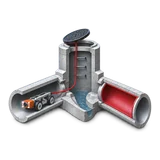
Illustration of connected sewer assets with an orange-headed CCTV crawler, an open manhole, and internal pipe lining.

How we help

We remove deposits and inspect the sewer mains your city relies on.

Our crews use Vactor trucks for sewer cleaning and vacuum recovery. Jetting dislodges buildup in your selected mains, and we recover material where vacuum removal is needed. Our IBAK televising crew then inspects the exposed pipe for roots, damaged joints, and remaining obstructions. We review those locations with your staff to identify the cleaning, cutting, or repairs they need.

Your annual program includes the field work and findings review.

  • We jet and televise the sewer runs selected for that year.
  • We provide Pipeline Assessment Certification Program (PACP) coded inspection findings.
  • We review the defects and maintenance concerns found in those runs.
  • Your staff can use the identified repair locations when preparing the next budget.
NASSCO Pipeline Assessment Certification Program (PACP) logo

Our PACP-certified professionals document your pipe conditions.

Our inspection professionals use NASSCO's Pipeline Assessment Certification Program to code visible pipe conditions for your staff and engineers to review.

Explore sewer inspection options.

PACP and MACP are trademarks of NASSCO, Inc.

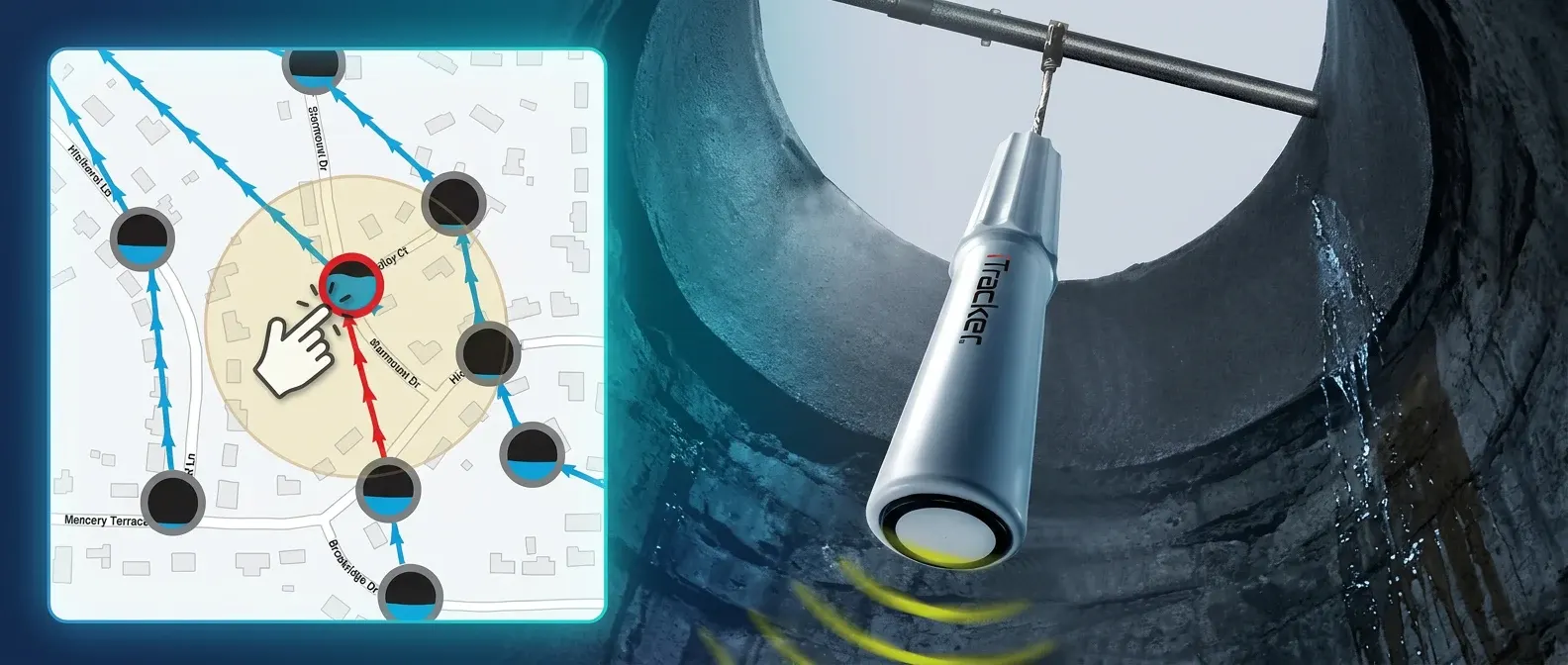
Illustration of a monitor suspended in a manhole alongside a map of connected sewer monitoring locations.
Monitoring at connected manholes helps compare wet-weather flow across your sewer system.

Temporary flow monitoring

We measure how your sewer flow changes when it rains.

We place temporary flow monitors at the manholes that separate your sub-basins. We compare baseline readings, rainfall, and wet-weather response to identify which areas need closer investigation. Your staff can use that comparison to prioritize smoke testing and follow-up work.

Monitoring can be added while we assess your manholes or planned alongside your annual sewer work. Flow readings identify areas to investigate; smoke testing, dye testing, and inspection examine suspected entry paths within those areas.

We clean and inspect your sewer, then identify maintenance and repair priorities.

  1. We plan the annual work area with your staff.

    We review your system maps, recurring trouble locations, previous inspections, and budget. Together, we identify the sewer runs to clean and inspect that year.

  2. We jet and televise your selected mains.

    Our cleaning removes deposits before the CCTV inspection records visible pipe conditions. PACP coding organizes the findings for review.

  3. We review maintenance and repair needs.

    We show your staff the defects and remaining concerns at their recorded locations. An isolated defect may need a point repair, a damaged connection may need a connection liner, and a longer deteriorated run may need lining.

  4. We help select the sewer runs to clean and inspect next year.

    We compare the findings with your maintenance history and upcoming projects. Your staff can then set the next work area and carry proposed repairs into its budget. Repairs are separately scoped and authorized.

Program outcomes

Your staff can see which sewer locations need maintenance or repair.

After cleaning and inspection, we review the findings with your staff. The review identifies visible defects and maintenance concerns to consider in your repair plan and budget.

  • Your selected sewer assets receive the cleaning and CCTV inspection defined for the program year.
  • PACP-coded observations provide a consistent condition record within your annual inspection scope.
  • We review which findings call for further investigation, cleaning, or repair of your sewer assets.
  • Your staff can bring the documented repair locations into its next budget discussion.

Who This Is For

We support municipalities and organizational asset managers.

  • Your municipality needs a recurring cleaning and inspection plan.
  • Your utility or facility team needs condition records across its sewer assets.
  • Your staff and engineer need findings to support future maintenance and repair budgets.

01

We can cover your collection system over a five-year cycle.

One annual program configuration cleans and inspects roughly 20 percent of your system each year. That spreads coverage across a five-year cycle while building current inspection records for the mains your city maintains.

We adapt the annual work area to your priorities, system size, and budget. Recurring trouble locations and planned construction can change which runs need attention first.

02

We also clean your lift stations, digesters, and clarifiers.

Our cleaning services remove accumulated material from your lift stations, digesters, and clarifiers. We also provide root cutting, grease removal, and large-diameter sewer cleaning. The work addresses the buildup at each asset and can prepare it for inspection or further maintenance.

These cleaning jobs are arranged around your access, operating and isolation requirements, and the material to be recovered. We define the work and disposal arrangements for the affected assets separately from your annual mainline program.

03

We can repair the sewer defects your annual inspection finds.

CIT installs point repairs for isolated mainline defects, TYGERPatch for suitable lateral connections, and UV-cured lining for longer damaged runs. We use your inspection footage to identify the repair locations and preparation needed.

Your annual cleaning and inspection program does not automatically commit you to those repairs. We discuss the proposed work and pricing with your staff before you authorize it.

01

We record your manhole walls, joints and connections for rehabilitation planning.

Our crew lowers an illuminated 360-degree camera into your manhole, and our technicians review the captured surfaces for visible leakage and deterioration. We inspect individual structures, targeted sewer basins and wider municipal inventories.

Our municipal assessment package includes the selected MACP Level 1 or Level 2 assessment, models or point clouds, shareable reports, GIS-ready data and technician review. We use SewerAI in our manhole assessment work. Your staff and engineer can revisit the recorded structure when comparing rehabilitation needs.

02

Find your project location in our service area.

We serve municipal, commercial and institutional sewer projects in Iowa, Minnesota, Missouri, Nebraska, Arkansas and Colorado. Tell us where your sewer is located and which assets need inspection, maintenance or repair so we can discuss the project requirements and scheduling.

Our local sales territories cover all 99 Iowa counties, six eastern Nebraska counties and Union County, South Dakota. The territory pages list their communities, counties and CIT contacts. For projects elsewhere in our six-state service area, use the full service-area page.

Understand how your maintenance program works.

What does an annual program actually include?
Our annual program includes cleaning, CCTV inspection with PACP-coded findings, and a findings review for a planned portion of your collection system. The review helps your team prioritize further investigation, maintenance, and rehabilitation.
How much of our system does it cover each year?
A five-year cycle covering roughly twenty percent of your collection system each year is one configuration. Your asset quantities, priorities, and budget inform the program scope.
Does a program commit us to the repair work it finds?
Your findings review supports decisions about further work. Confirm any proposed repairs and their pricing separately before authorizing corrective work.
How can a program support our maintenance planning?
An annual program builds condition records across a planned portion of your collection system. Your team can use those findings alongside maintenance history to prioritize work and plan future budgets.
Can a small city justify a program?
A program can be scoped around your municipality's asset quantities and priorities. Share your existing records, recurring concerns, and budget to discuss whether a recurring program fits your needs.

Discuss your maintenance priorities

Plan your next year of sewer maintenance.

Tell us the size of your system, recurring concerns, and the records you already have. We can discuss an annual cleaning and inspection area and the findings your team needs for planning.

Call 515-434-2248