
CIT Sewer Solutions
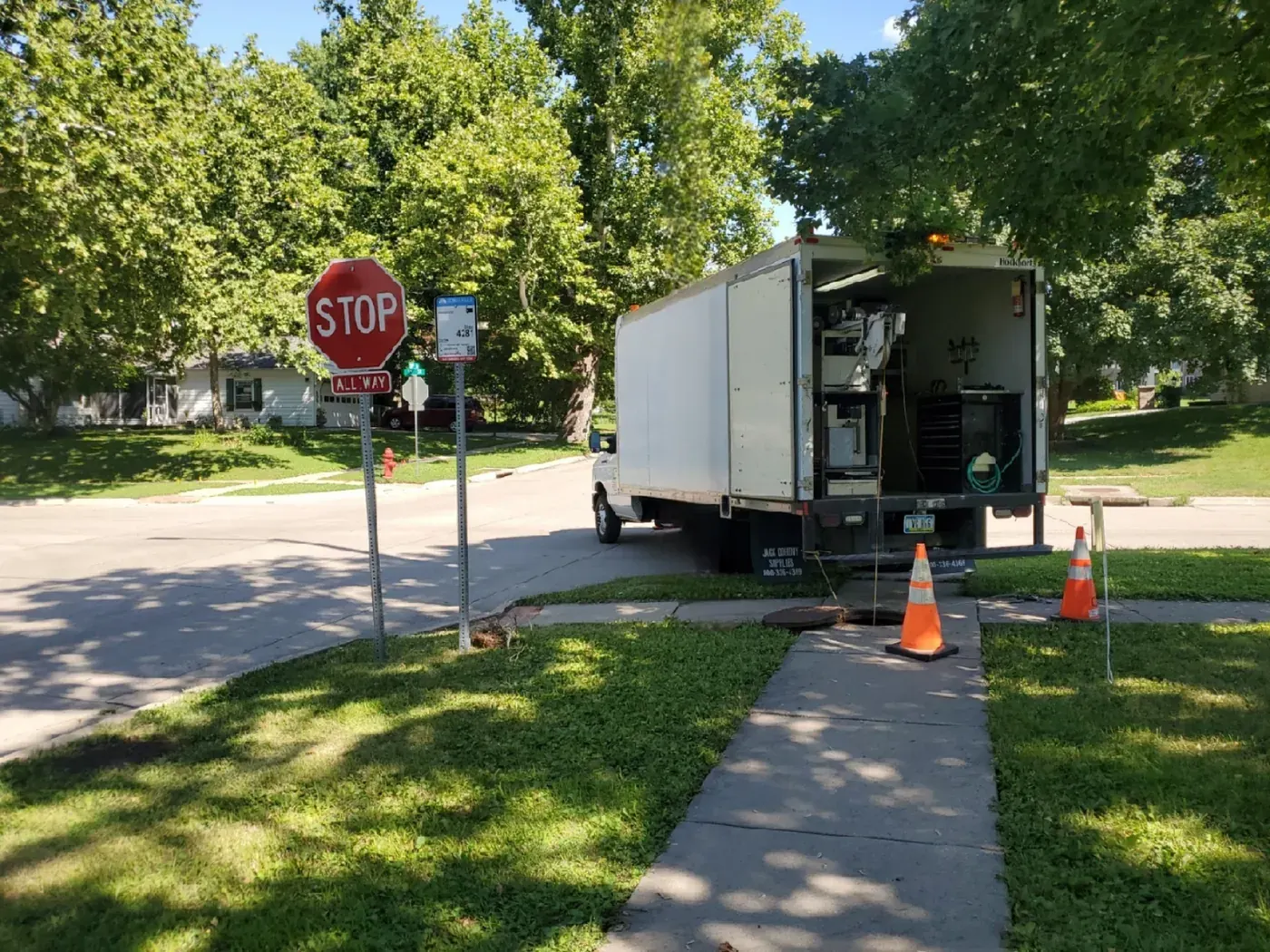
A CIT inspection van parked on a residential street during neighborhood collection system work.

I&I investigation

We investigate where unwanted water enters your sewer system.

CIT combines temporary flow monitoring, smoke testing, dye testing, and back smoking to investigate inflow and infiltration (I&I). We compare sewer flow with rainfall to identify areas needing attention, then test suspected entry paths. Your staff and engineer can use those locations to target further inspection and corrective work.

  • Smoke testing investigates potential entry paths into your collection system.
  • Dye testing and back smoking support follow-up investigation.
  • Temporary flow monitoring supports review of your wet-weather patterns.

Discuss your sewer I&I investigation.

We use your details to respond to your inquiry. You can submit it with internal analytics turned off. Read our Privacy Policy.

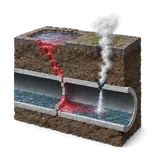
Illustration of smoke escaping a sewer defect and tracing dye entering through a leaking joint.

How we help

We trace the routes that let unwanted water into your collection system.

Roof drains, sump connections, and storm connections can send unwanted water into your sanitary sewer. Groundwater can also enter through damaged joints and other defects. We introduce test smoke into the selected area and observe where it emerges, then use dye testing or targeted back smoking to investigate suspected routes. Those findings identify the connections or damaged locations needing corrective work.

Our methods answer different parts of your I&I investigation.

  • We compare temporary flow readings with rainfall to prioritize your sub-basins.
  • We use smoke testing to identify locations where unwanted water may enter.
  • We use dye testing to trace suspected connections to your sewer.
  • We use back smoking for targeted investigation of suspected entry paths.
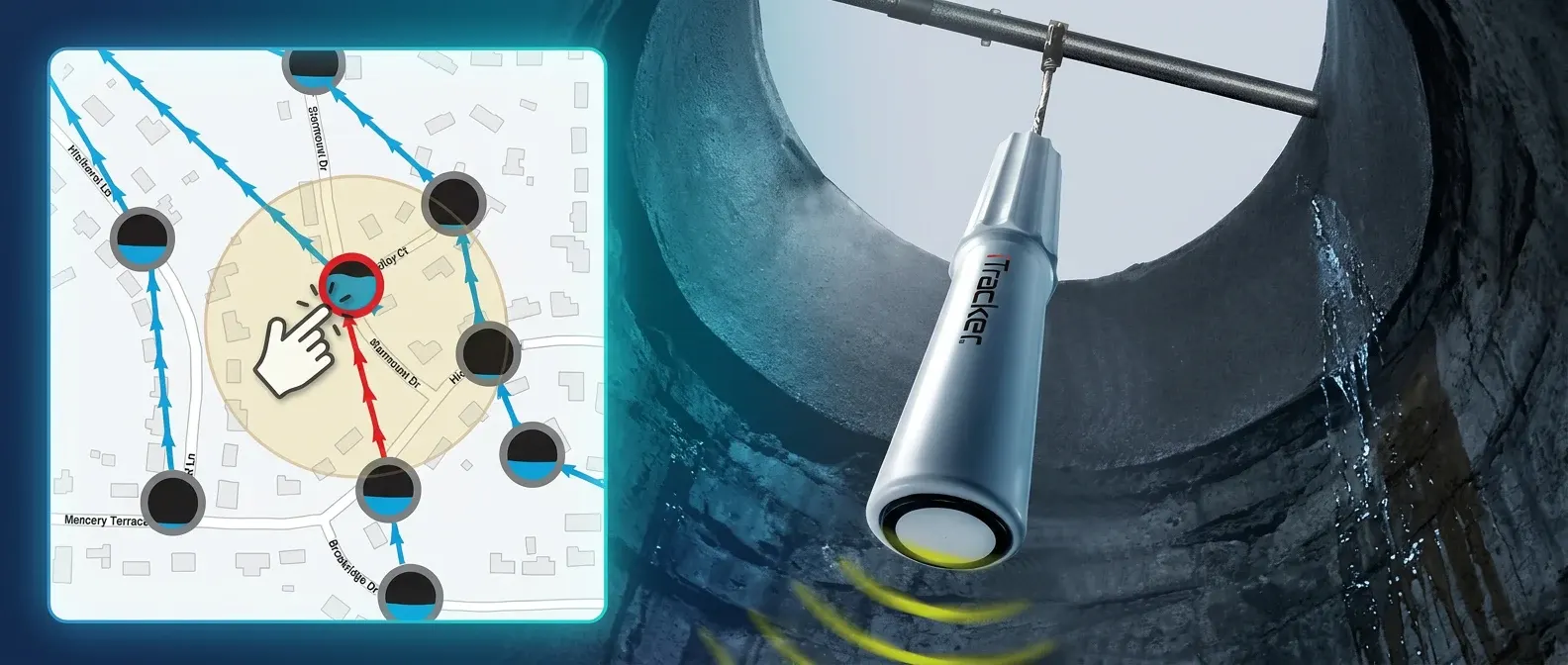
Illustration of a monitor suspended in a manhole alongside a map of connected sewer monitoring locations.
Monitoring at connected manholes helps compare wet-weather flow across your sewer system.

Temporary flow monitoring

We measure how your sewer flow changes when it rains.

We place temporary flow monitors at the manholes that separate your sub-basins. We compare baseline readings, rainfall, and wet-weather response to identify which areas need closer investigation. Your staff can use that comparison to prioritize smoke testing and follow-up work.

Monitoring can be added while we assess your manholes or planned alongside your annual sewer work. Flow readings identify areas to investigate; smoke testing, dye testing, and inspection examine suspected entry paths within those areas.

We compare sewer flows, test suspected sources, and record their locations.

  1. We identify areas with a strong wet-weather response.

    Where monitoring is included, we place temporary monitors at your sub-basin boundary manholes and compare readings with rainfall. This helps decide where focused testing should begin.

  2. We screen your selected area with smoke.

    Smoke testing reveals possible pathways into your collection system. We record the locations where smoke appears for comparison with your maps and follow-up testing.

  3. We trace suspected connections.

    Dye testing and back smoking investigate how an observed location connects to your sewer. We use these methods to follow up on the potential sources identified during screening.

  4. We record suspected water-entry locations for further investigation.

    Your engineer can compare our testing results with CCTV and manhole observations as part of a sanitary sewer evaluation survey (SSES). Confirmed sources can then be considered for correction, while unresolved locations receive further investigation.

What you receive

We document suspected water-entry paths into your sewer system.

Smoke testing identifies locations for follow-up. Dye testing and back smoking investigate how suspected entry paths connect to your sewer, while flow monitoring can show which sub-basins respond to rainfall.

  • We record where smoke appears and what follow-up testing reveals about suspected connections to your sewer.
  • When your project includes monitoring, flow and rainfall records show how your selected sub-basins respond during wet weather.
  • Your engineer can compare the testing results with visible pipe and manhole defects when identifying locations for corrective work.

Who This Is For

We work with municipalities and engineering teams.

  • Your public works team needs to prioritize wet-weather investigation.
  • Your utility or facility team needs evidence about unwanted flow entering its assets.
  • Your engineer needs documented findings for SSES and corrective planning.

01

We inspect the pipes and manholes at suspected entry locations.

Once testing identifies an area of concern, CCTV can show visible damage and water entry inside your mains and accessible laterals. Manhole assessment records leakage and deterioration in the connected structures. Those views help distinguish a damaged joint from a connection or manhole concern.

Testing identifies evidence of unwanted flow. Repairing or correcting the confirmed source is the work that addresses it.

02

We coordinate smoke-testing access and public notices with your team.

Before testing, we discuss the work area, public notices, building access, and fire-department communication with your project contacts. Your available sewer maps and access information help define the testing locations.

Smoke can emerge away from the defect, and no visible smoke does not prove there is no defect. Dye testing, back smoking, and inspection provide the follow-up needed to investigate uncertain locations.

01

Compare flow between your sewer sub-basins before selecting test areas.

Temporary flow monitoring compares baseline readings and wet-weather response across selected parts of your collection system. Your team can use that comparison to choose areas for closer smoke testing and inspection.

02

Find your project location in our service area.

We serve municipal, commercial and institutional sewer projects in Iowa, Minnesota, Missouri, Nebraska, Arkansas and Colorado. Tell us where your sewer is located and which assets need inspection, maintenance or repair so we can discuss the project requirements and scheduling.

Our local sales territories cover all 99 Iowa counties, six eastern Nebraska counties and Union County, South Dakota. The territory pages list their communities, counties and CIT contacts. For projects elsewhere in our six-state service area, use the full service-area page.

Plan your wet-weather investigation.

What does smoke testing show us?
Smoke testing helps identify potential pathways into your collection system. Observed smoke can guide follow-up investigation of your connections and structures; its emergence point does not necessarily identify the exact defect or measure its flow.
Will testing reduce our inflow and infiltration?
Testing investigates potential entry paths into your collection system. Reducing unwanted flow requires corrective work on confirmed sources.
Do residents need to be notified?
Coordinate public notices, building access, and fire-department communication as part of your smoke-testing scope. Discuss the notice requirements and materials for your project before testing.
When is dye testing used instead?
Dye testing helps trace a suspected connection or flow path within your project area. It can supplement smoke testing and inspection when your team needs evidence of where water travels.
Can you monitor flows over time?
Yes. We place temporary monitors at your sub-basin boundary manholes and compare recorded flow with rainfall from the same period. This helps identify which areas need closer I&I investigation. Monitoring can also be added while we assess your manholes.

Discuss your I&I investigation

Tell us where your wet-weather flows increase.

Describe the affected part of your system, when the flow changes, and what records you already have. We can discuss basin monitoring, testing, or a focused follow-up investigation.

Call 515-434-2248