

CIT Sewer Solutions
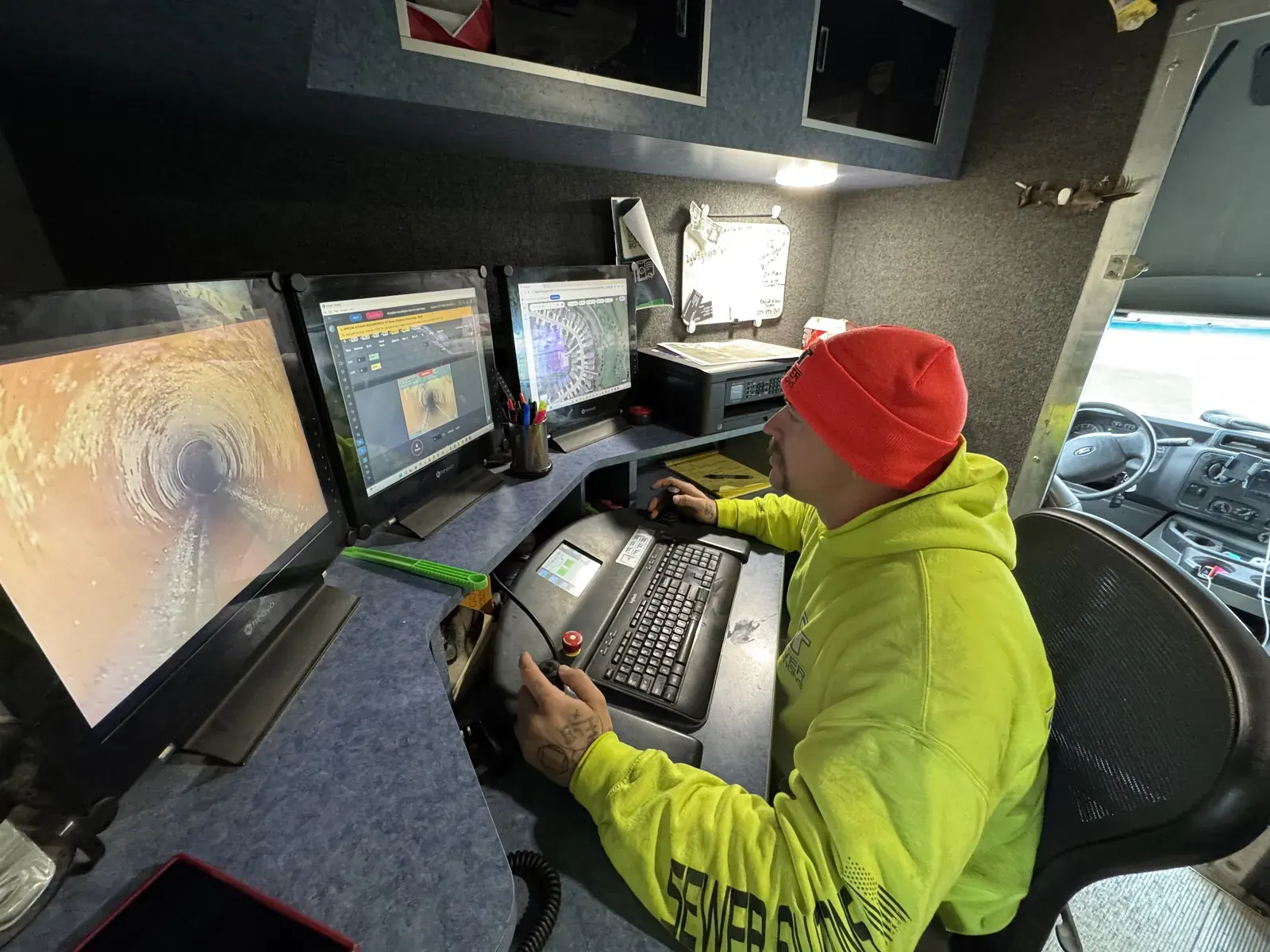
A CIT operator reviews live sewer inspection video at the control console inside a televising truck.

Sewer televising

Our cameras show what is restricting or damaging your sewer.

Our televising crew uses IBAK camera systems to inspect your sewer mains and accessible laterals. We show the roots, deposits, obstructions, and visible damage at locations that keep needing attention. Before rehabilitation, our footage shows the affected pipe and the area your repair needs to address.

  • Our PACP-certified inspectors document your pipe conditions.
  • Your footage documents visible defects and restrictions.
  • Our cameras show visible roots, cracks, deposits, and water entry.

Discuss your sewer inspection.

We use your details to respond to your inquiry. You can submit it with internal analytics turned off. Read our Privacy Policy.

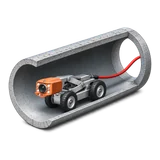
Illustration of a sewer CCTV crawler with an orange camera head inside an open pipe cutaway, with its tether passing through the rear opening.

How we help

We inspect your sewer main and look beyond its lateral connections.

Our operator guides an IBAK camera through your sewer main to examine its walls, joints, and connections. Lateral launch sends a camera from your main into an accessible lateral, showing the connected pipe beyond the junction. These views help us investigate recurring restrictions or damage that a mainline pass alone may not explain.

We show roots, damaged joints and water entry inside your sewer.

  • We record roots and deposits at locations that repeatedly need cleaning.
  • We show visible cracks and damaged joints before you select repairs.
  • We record visible water entry for your I&I investigation.
  • We inspect your accessible laterals when the concern extends beyond your main.
NASSCO Pipeline Assessment Certification Program (PACP) logo

Our PACP-certified professionals document your pipe conditions.

Our inspection professionals use NASSCO's Pipeline Assessment Certification Program to code visible pipe conditions for your staff and engineers to review.

Explore sewer inspection options.

PACP and MACP are trademarks of NASSCO, Inc.

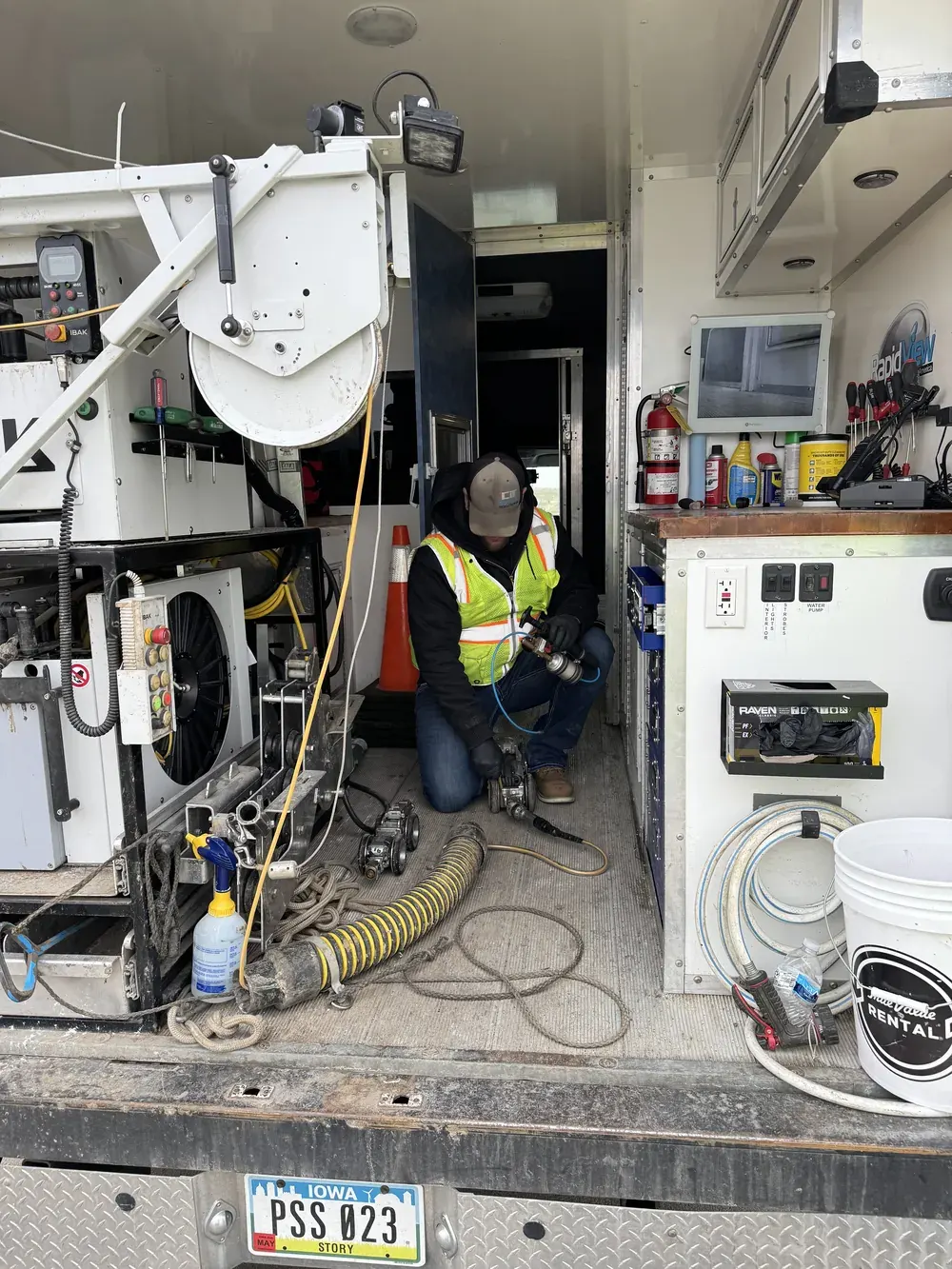
The interior of a CIT televising truck, showing the camera reel and cable equipment used for mainline inspection.
Our televising trucks carry the camera reels, cable and control equipment used to inspect your mainlines and accessible laterals.

What we find and how we help

We find roots, damage, deposits, and visible water entry.

Our cameras show the conditions inside your sewer so we can identify where cleaning, cutting, repair, or further investigation is needed.

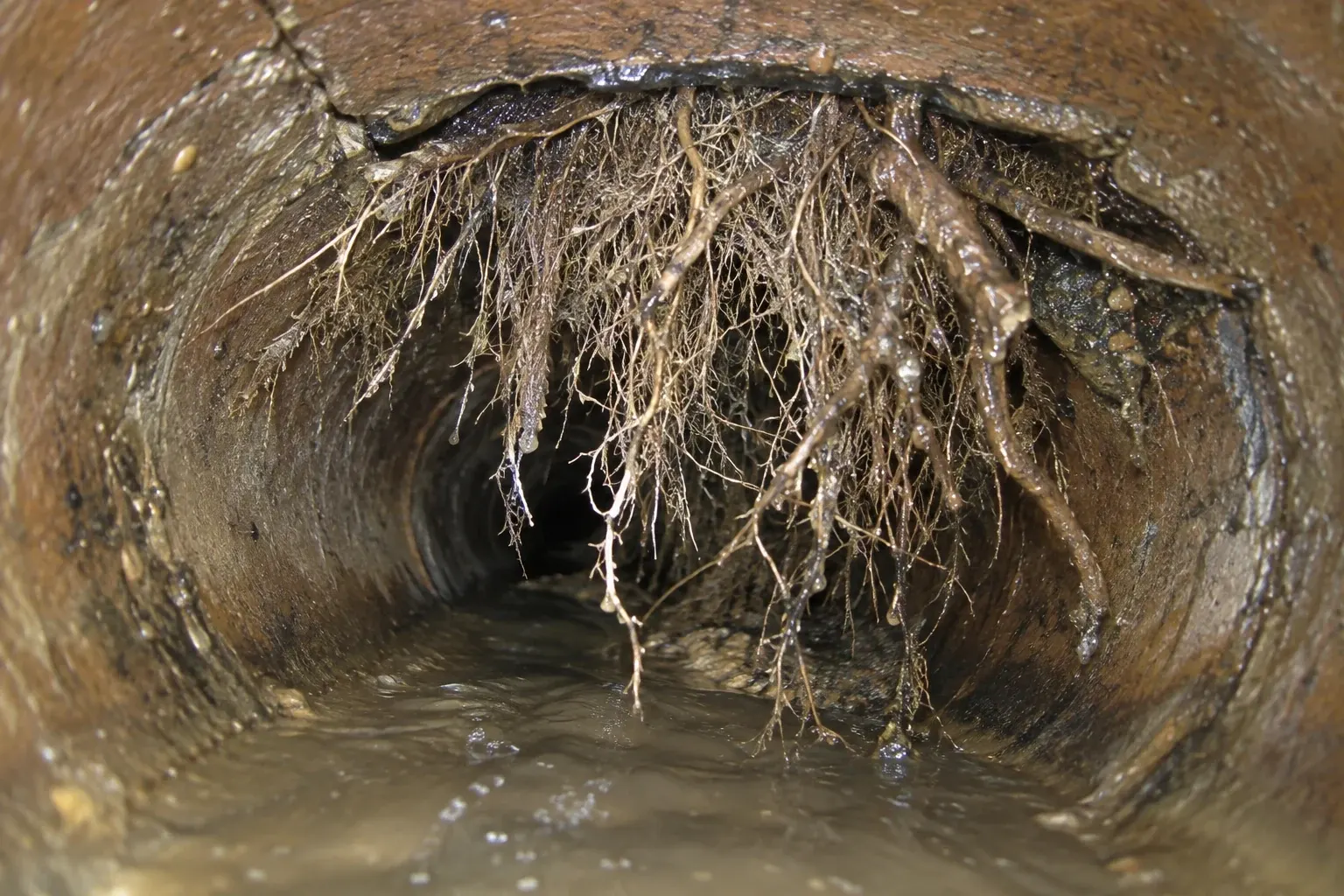
A condition illustration shows tangled roots entering through a sewer pipe joint and hanging into the passage.
Condition illustration
01

Our cameras show where roots enter your sewer.

We inspect your pipe for roots extending through joints and cracks and show the affected locations on camera. CIT can cut suitable root intrusions and assess repairs where damaged joints or pipe walls allow roots to enter.

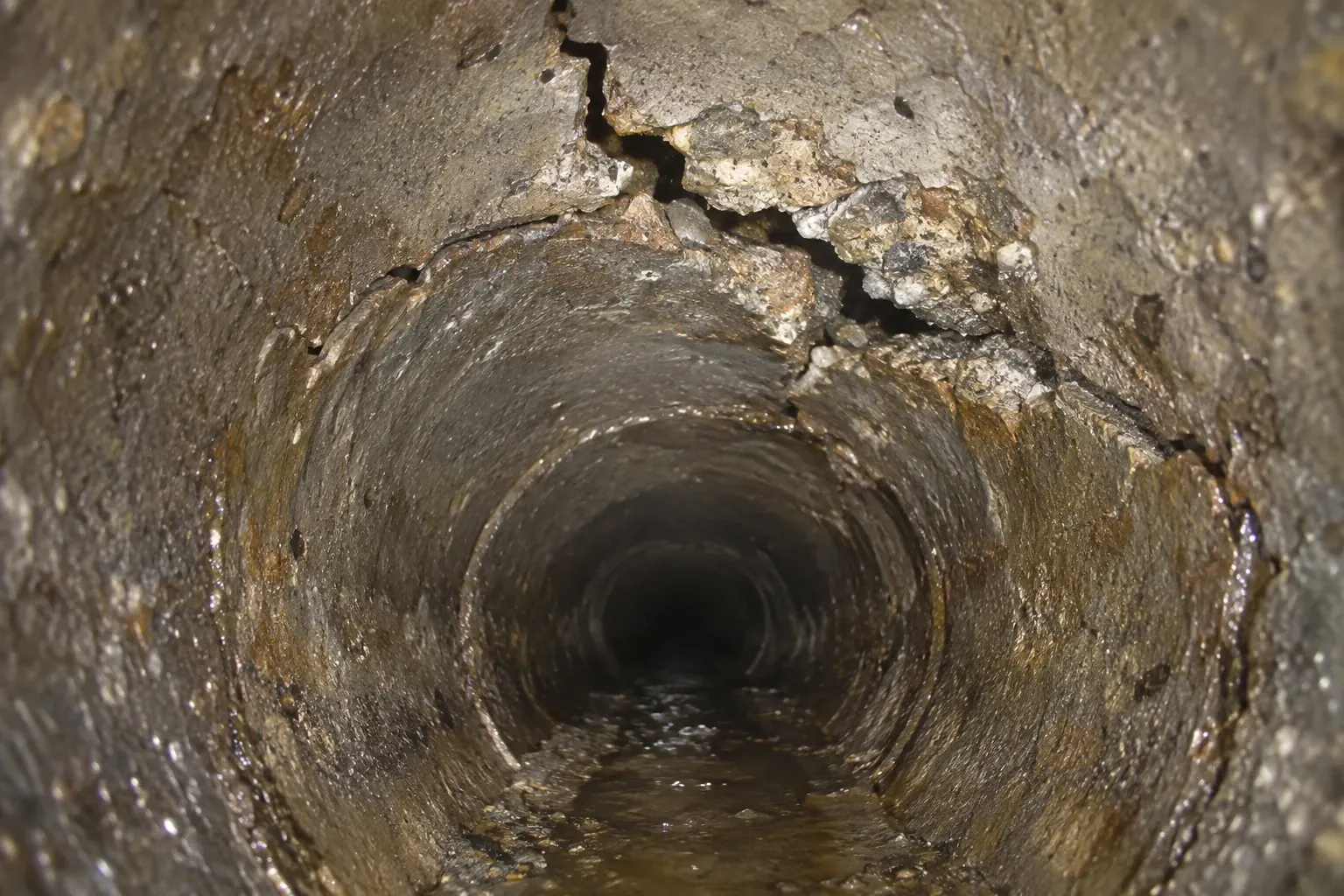
A condition illustration shows a jagged fracture and chipped concrete along the upper wall of a sewer pipe.
Condition illustration
02

Our cameras reveal visible damage in your pipe.

We record cracks, broken sections, and damaged joints inside your sewer. An isolated defect may suit a point repair, while deterioration along a longer run may call for lining. The surrounding pipe condition determines whether either repair fits.

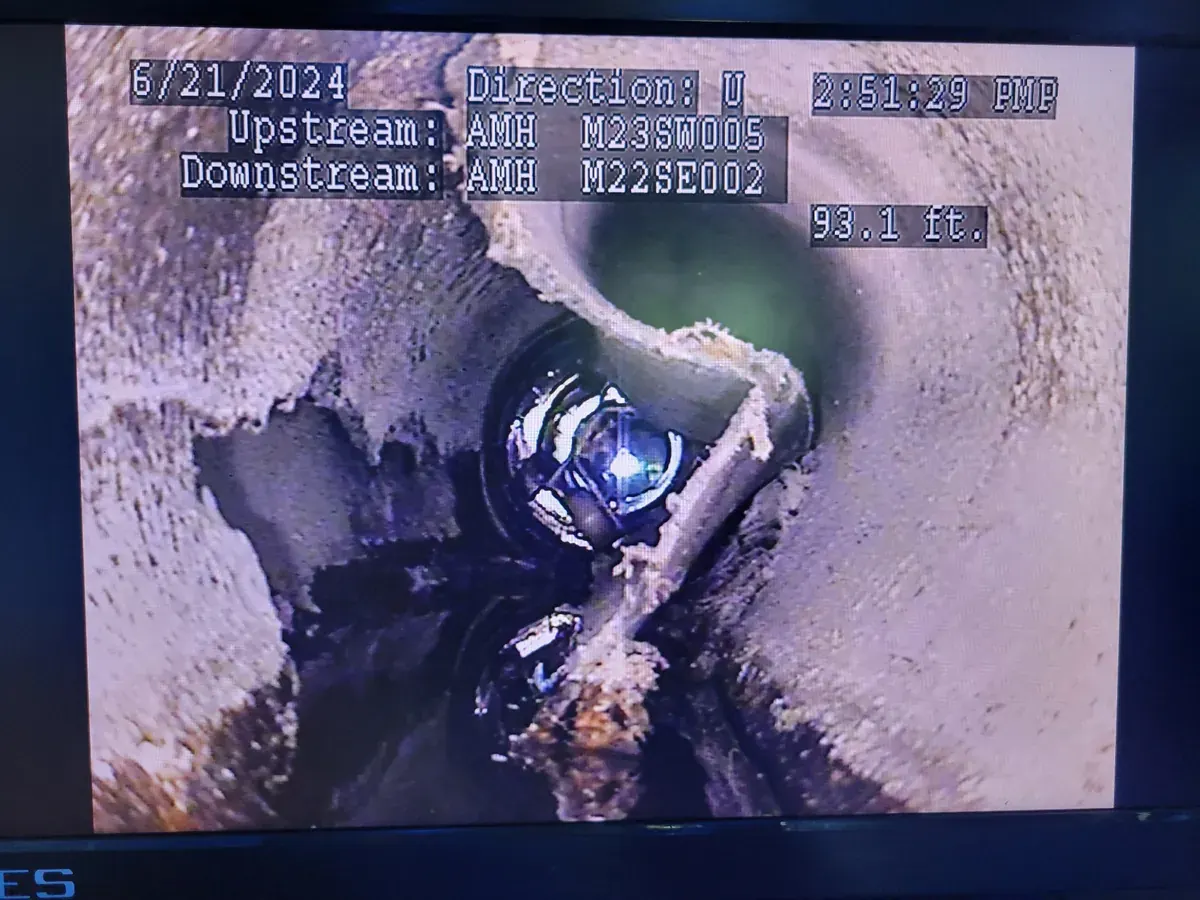
An inspection display shows broken pipe material projecting into the sewer passage.
03

We find the hard obstructions blocking your sewer.

CCTV shows protruding taps, hardened material, and failed liner that can catch debris or block camera travel. Our robotic cutting removes suitable obstructions from inside your main and prepares the affected area for inspection or lining.

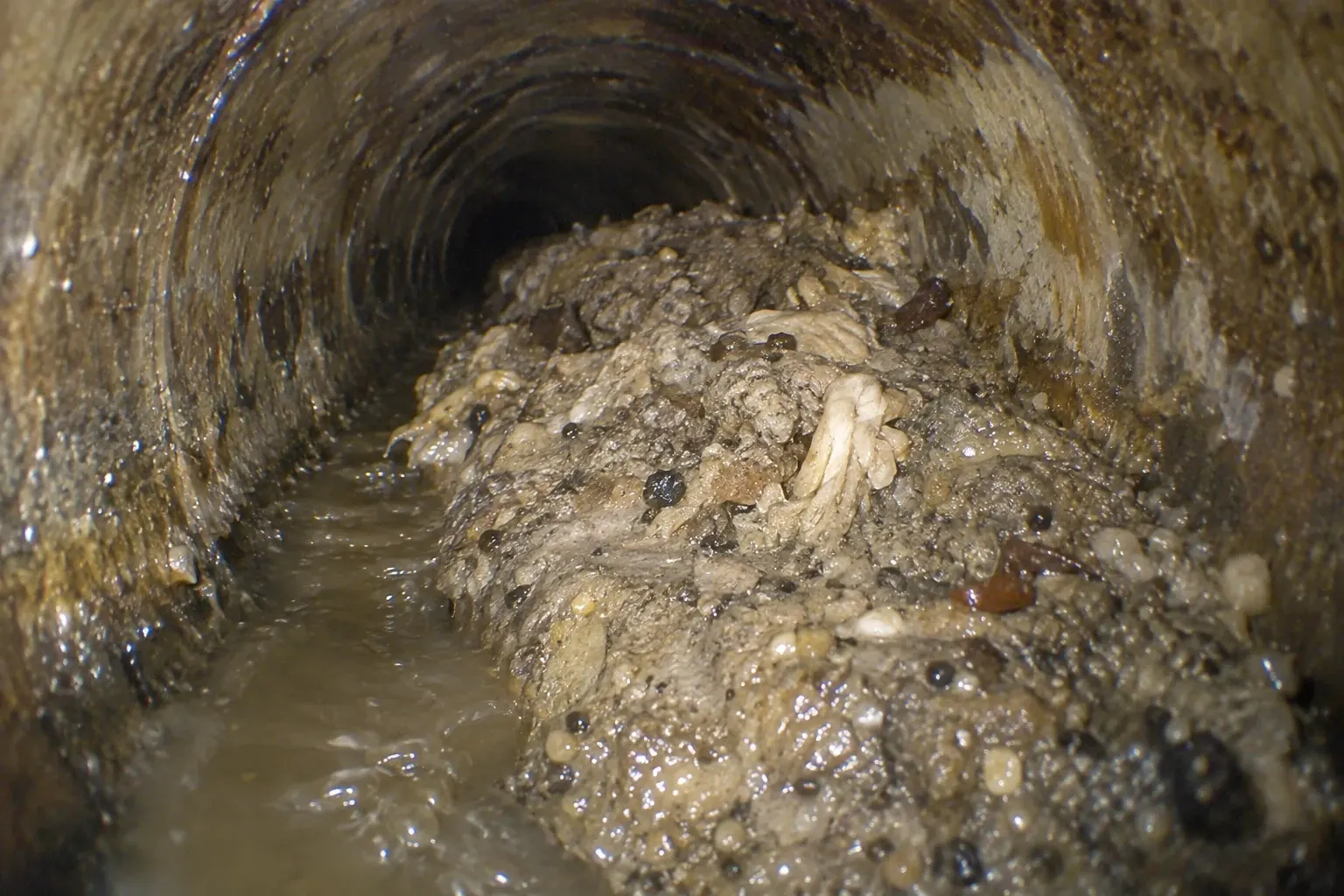
A condition illustration shows a bank of grease, sediment, and fibrous debris restricting a sewer pipe.
Condition illustration
04

We show the deposits restricting your sewer.

Our cameras show grease, sediment, and debris inside your sewer. We clean deposits that restrict the pipe or hide its walls, then inspect the exposed area for roots, damage, or other causes of recurring trouble.

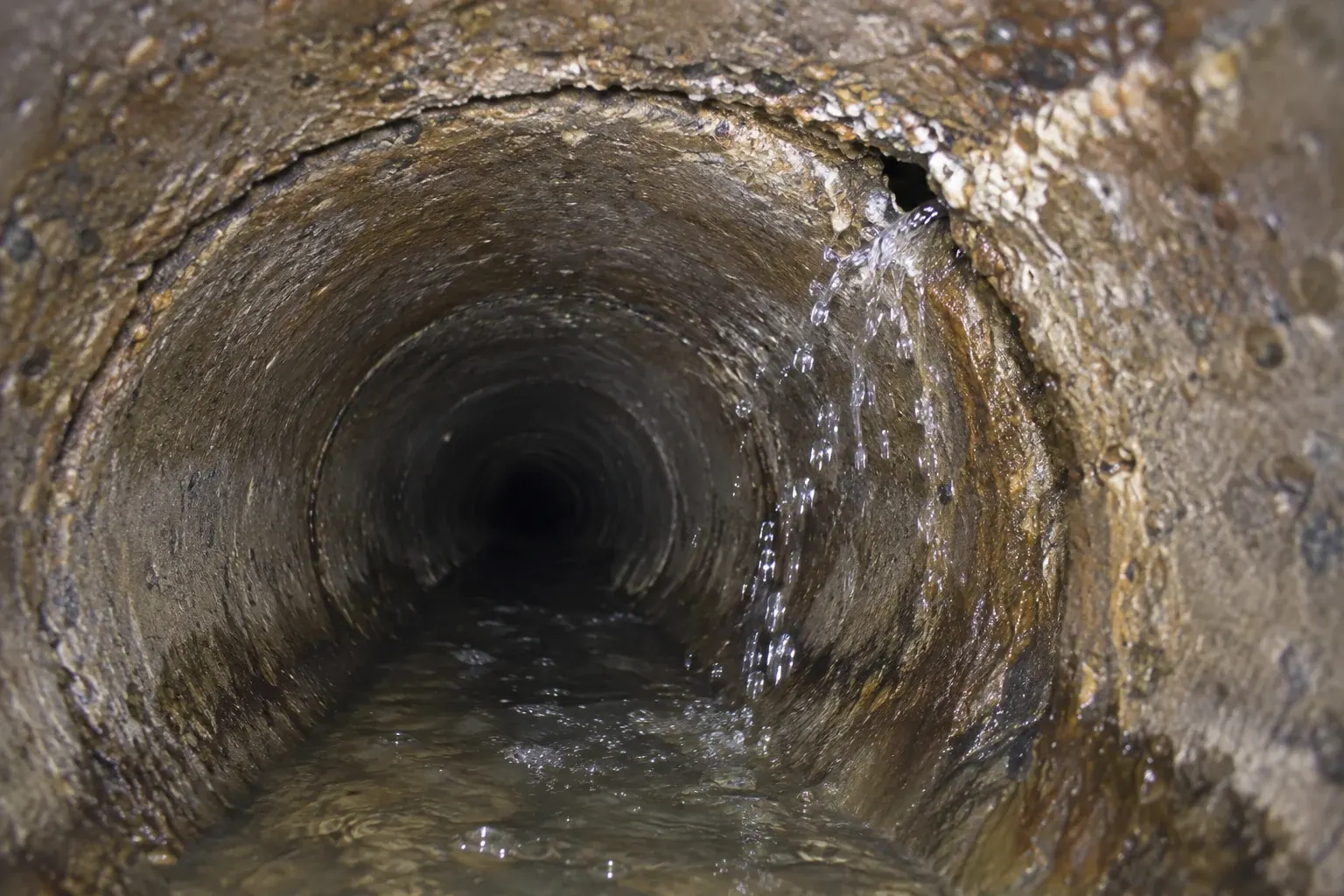
A condition illustration shows water entering through an open sewer pipe joint and falling down the wall.
Condition illustration
05

We look for water entering through your pipe defects.

CCTV can show water entering through visible joints, cracks, and connections. We can investigate the wider wet-weather problem with flow monitoring, smoke testing, and dye testing, then assess repairs at confirmed damaged locations.

We clean where needed, inspect your sewer, and show what we find.

  1. We identify the sewer runs to inspect.

    We review your trouble locations, planned repairs, maps, and existing footage with you. This identifies which mains and laterals need the camera.

  2. We clear deposits that obstruct the camera.

    Where debris hides the pipe wall or blocks travel, we clean the affected segment before inspection. Flow and access also affect how much of your sewer we can see.

  3. We record your mains and accessible laterals.

    Our cameras document visible defects, restrictions, and connections along the selected runs. Lateral launch extends the inspection into the accessible laterals included in your project.

  4. We show you where roots, deposits and pipe damage were recorded.

    Footage and observations show the roots, deposits, or damage found in your sewer. You and your engineer can review those locations before arranging cleaning, cutting, or repair.

What you receive

Your inspection shows where cleaning or repair may be needed.

We record visible roots, cracks, deposits, and water entry in your sewer mains and accessible laterals. You and your engineer can review the footage to see the affected areas before planning the work.

  • Your inspection video shows the inside of your sewer along the route the camera traveled.
  • Written observations describe the defects seen during your inspection, with selected still images showing the affected areas.
  • Distance references indicate how far along your inspected sewer run an observation was recorded.
  • Your engineer can review the recorded defect locations when preparing a repair list for your sewer.

Who This Is For

We work with the teams responsible for your sewer assets.

  • Your public works team needs evidence about recurring maintenance concerns.
  • Your facility or campus needs to investigate restrictions in its private sewer system.
  • Your engineer or contractor needs current footage for rehabilitation planning or project records.

01

We investigate why the same sewer keeps needing cleaning.

Repeated cleaning may remove the immediate buildup while roots, a protruding tap, or a damaged joint remain. Our camera records what is visible at your recurring trouble location so you can see whether the problem calls for more than another cleaning pass.

For rehabilitation, we inspect the affected run to show where the damage starts and ends and what preparation it needs. Your engineer uses those conditions when developing the repair design.

02

We investigate visible water entry in your mains and laterals.

CCTV can show water entering through visible joints, defects, and connections. We can combine those observations with smoke testing, dye testing, manhole assessment, and flow monitoring when your concern is wet-weather sewer flow.

Bends, obstructions, deposits, flow, and access limit camera coverage. We distinguish the mainline and lateral areas inspected so you know which locations still need investigation.

01

Find your project location in our service area.

We serve municipal, commercial and institutional sewer projects in Iowa, Minnesota, Missouri, Nebraska, Arkansas and Colorado. Tell us where your sewer is located and which assets need inspection, maintenance or repair so we can discuss the project requirements and scheduling.

Our local sales territories cover all 99 Iowa counties, six eastern Nebraska counties and Union County, South Dakota. The territory pages list their communities, counties and CIT contacts. For projects elsewhere in our six-state service area, use the full service-area page.

Plan the scope of your CCTV inspection.

What do we receive after a CCTV inspection?
Your inspection can include video, written observations, still images, and distances along the inspected run. These show what the camera recorded and where. If your engineer needs a particular report format or condition coding, tell us when requesting the inspection so it can be included in your proposal.
Can you inspect service laterals as well as the mainline?
Yes. Lateral launch deploys a camera from your sewer main into an accessible lateral connection. Your lateral condition, bends, and obstructions affect the length that can be inspected.
Does the line need to be cleaned first?
Deposits and debris can obscure your pipe wall or prevent camera access. Cleaning may be needed to prepare your affected segments for inspection.
How much of our system should we inspect at once?
For a recurring restriction, we start with the affected sewer run and connected assets. For rehabilitation, we inspect the proposed repair area. An annual program covers a planned portion of your system. Tell us the locations and concerns you want investigated.
Will an inspection tell us whether the pipe can be lined?
CCTV documents visible defects and conditions that help assess your segment for lining. Suitability also depends on your pipe dimensions, alignment, access, and project requirements.

Discuss your inspection scope

Tell us what your sewer inspection needs to resolve.

Describe your recurring concern or upcoming project, the affected assets, and any available records. Include your timing and reporting needs so we can discuss the right inspection coverage.

Call 515-434-2248