
CIT Sewer Solutions
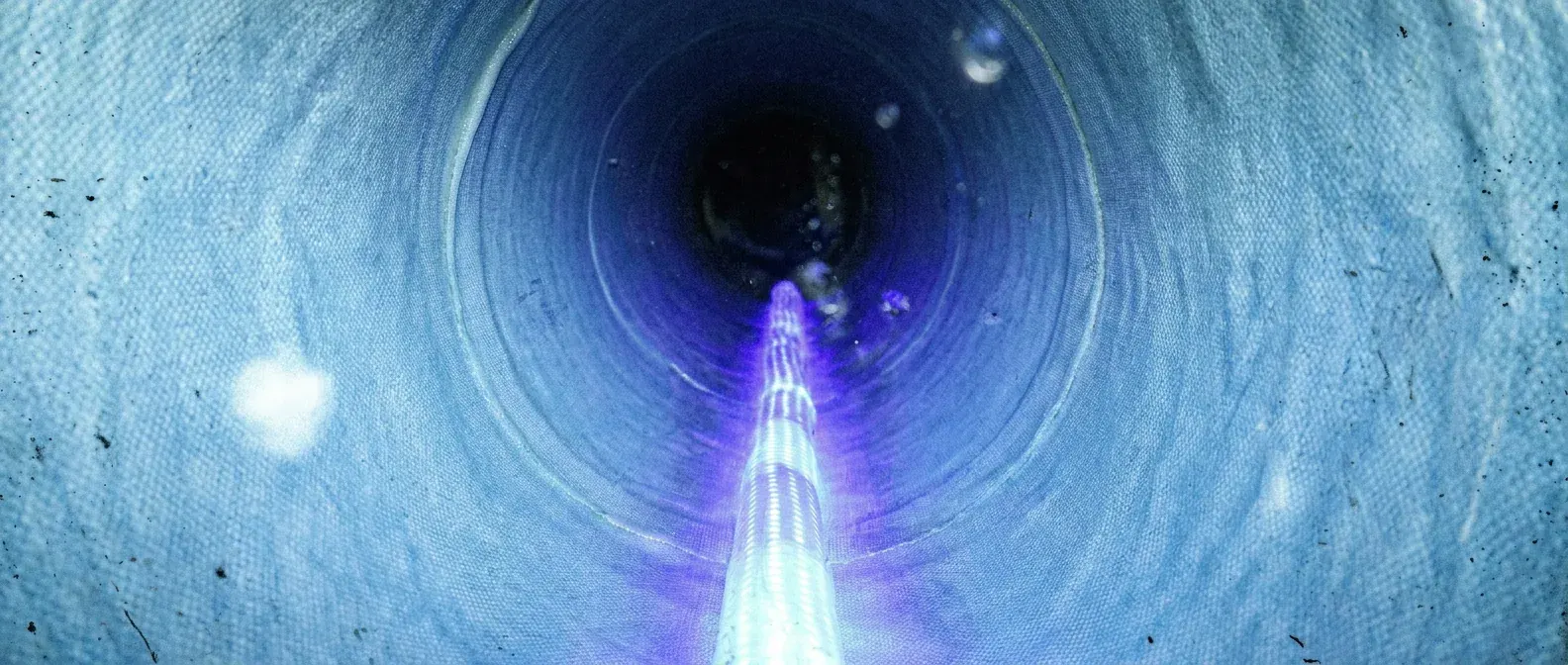
Illustration of a UV curing train inside a glass-reinforced sewer liner.

Trenchless pipe repair

We repair your sewer mains and connections from inside the pipe.

Our crews rehabilitate deteriorated sewer runs with UV-cured glass-reinforced lining. We install sectional cured-in-place pipe (CIPP) repairs at isolated defects and TYGERPatch connection liners at suitable lateral junctions. For your municipality, facility or campus, working inside the existing sewer can reduce the excavation needed to reach the damage.

Discuss your sewer rehabilitation.

We use your details to respond to your inquiry. You can submit it with internal analytics turned off. Read our Privacy Policy.

UV lining illustration

CIPP and connection repair

We line your damaged sewer run or repair a single location.

Cured-in-place pipe (CIPP) forms a repair by curing a resin-bearing liner inside your existing sewer. Our UV lining uses glass-reinforced plastic (GRP). The damaged area determines whether we line the run, install a sectional repair, or treat the lateral junction.

Repair illustrations

UV-cured GRP lining

Our UV-cured lining rehabilitates your sewer from manhole to manhole.

When cracks, failed joints and deterioration extend along your sewer main, our crews install a glass-reinforced liner through the selected run and cure it with ultraviolet light. This form of CIPP rehabilitates the segment inside your existing pipe.

For mains beneath your streets, facility access roads or campus grounds, lining can reduce the excavation and surface restoration needed along the damaged run.

We pull in the liner and cure it inside your sewer.

After preparation, we pull the liner through your sewer and expand it against the pipe with compressed air. A camera-equipped light train checks the expanded liner before curing. Our crew then moves the UV lights through it under controlled conditions to cure the resin.

Lining follows your existing pipe route. A grade problem or collapsed section can still require excavation.

Illustration of an illuminated UV curing train extending through a glass-reinforced liner inside a sewer pipe.
Repair illustration
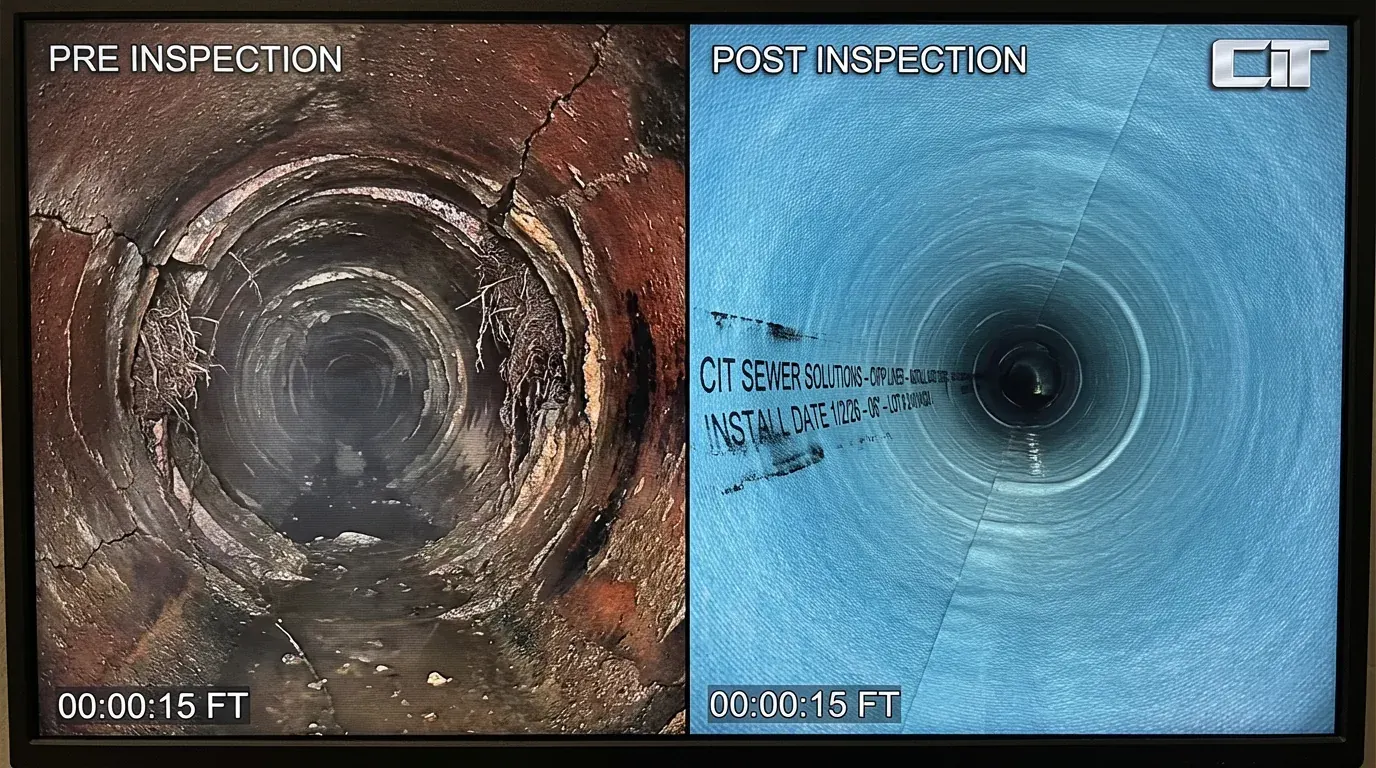
Side-by-side illustration of a cracked, root-affected sewer interior and a run with a new inner liner.
Lining comparison illustration

We create a new inner pipe along the prepared run.

The cured liner rehabilitates the selected segment from within. Cleaning and preparation remove roots and deposits that interfere with installation, so the liner can be installed against the existing pipe.

See how we inspect your pipe before repair.

Sectional CIPP point repair

We repair an isolated defect without lining your entire sewer run.

A damaged joint, crack or short break does not always require a full-run liner. Our crews install a sectional cured-in-place repair across the affected location when the surrounding pipe is suitable for a local installation.

If your facility or municipality has a damaged location beneath paved access, a point repair can address that defect from inside the main. Several suitable point and connection repairs can share one mobilization.

We position and cure the repair across the defect.

Our crew cleans and prepares the affected area, positions the repair liner across the damage, and cures it against the existing pipe. We remove the installation equipment once the repair has cured. The short liner remains in place at the treated location.

The repair covers the selected defect. Deterioration elsewhere in your run needs its own treatment.

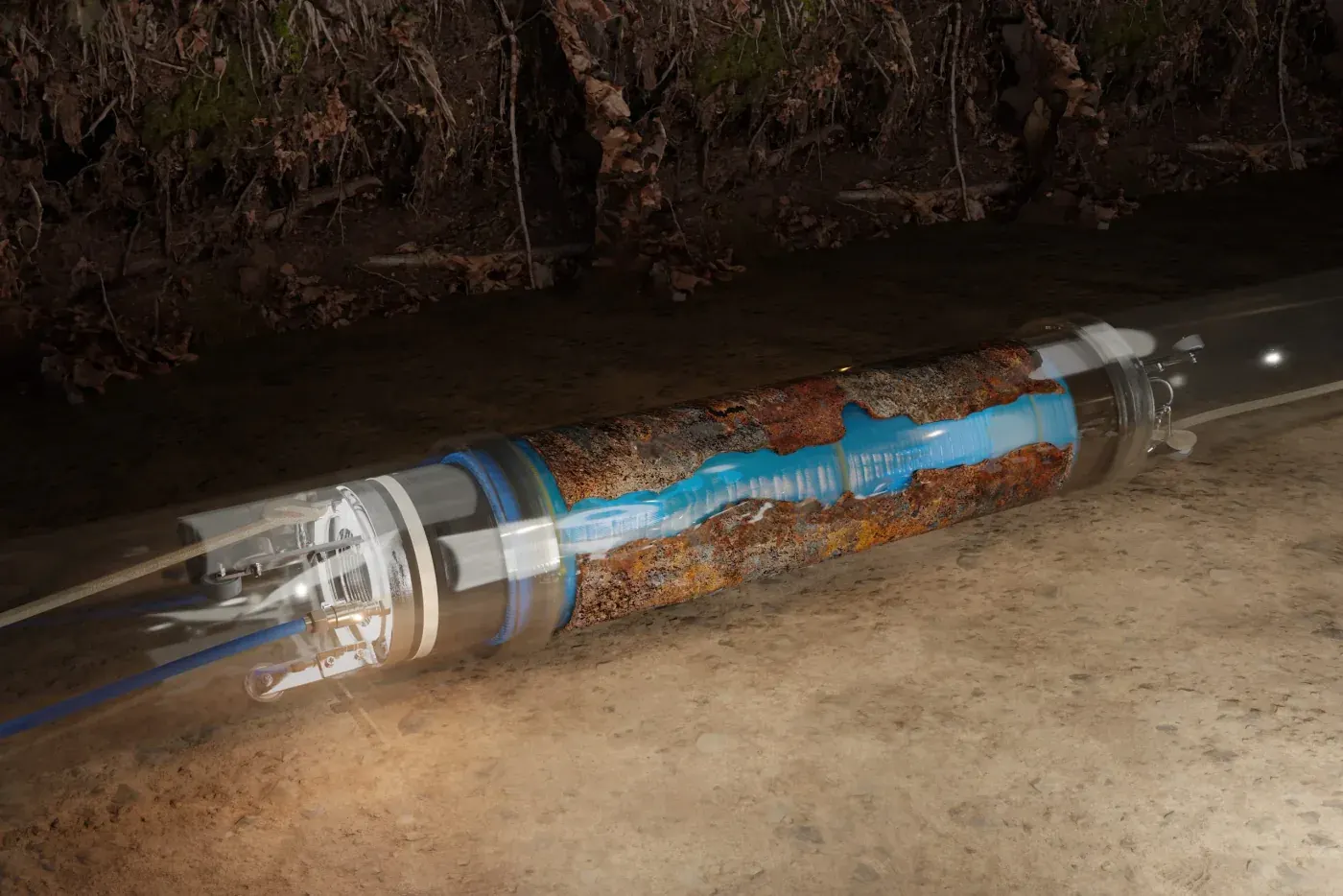
Cutaway illustration of installation equipment holding a short repair liner across a damaged section of straight sewer pipe.
Repair illustration

Lateral connection lining

We repair the junction where your lateral joins your sewer main.

A damaged lateral connection can admit groundwater even when the surrounding main needs little work. We install connection liners, including TYGERPatch at suitable tee and wye junctions, to repair the meeting point between your lateral and main.

For your collection system or private sewer network, treating a damaged junction can address groundwater entering at that location. Connection lining can accompany mainline rehabilitation or target a junction that needs repair on its own.

Our connection liner treats the junction and adjoining pipe.

We inspect and prepare the junction, position the selected connection liner, and cure the repair in place. Its shape spans the junction and a short adjoining part of the lateral. The configuration depends on the connection and surrounding pipe condition.

Connection lining does not automatically rehabilitate your entire lateral. Reopening a lateral after mainline lining restores its opening; repairing or sealing the junction is separate work.

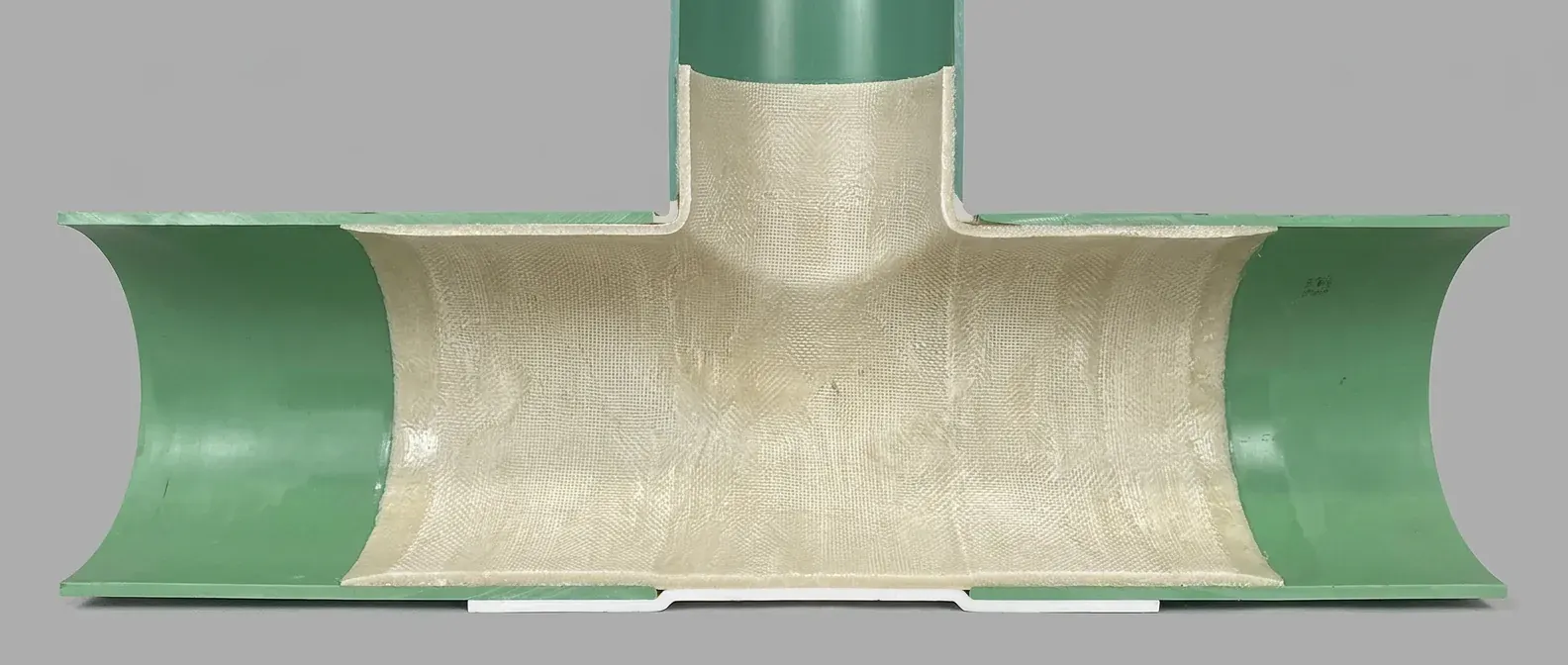
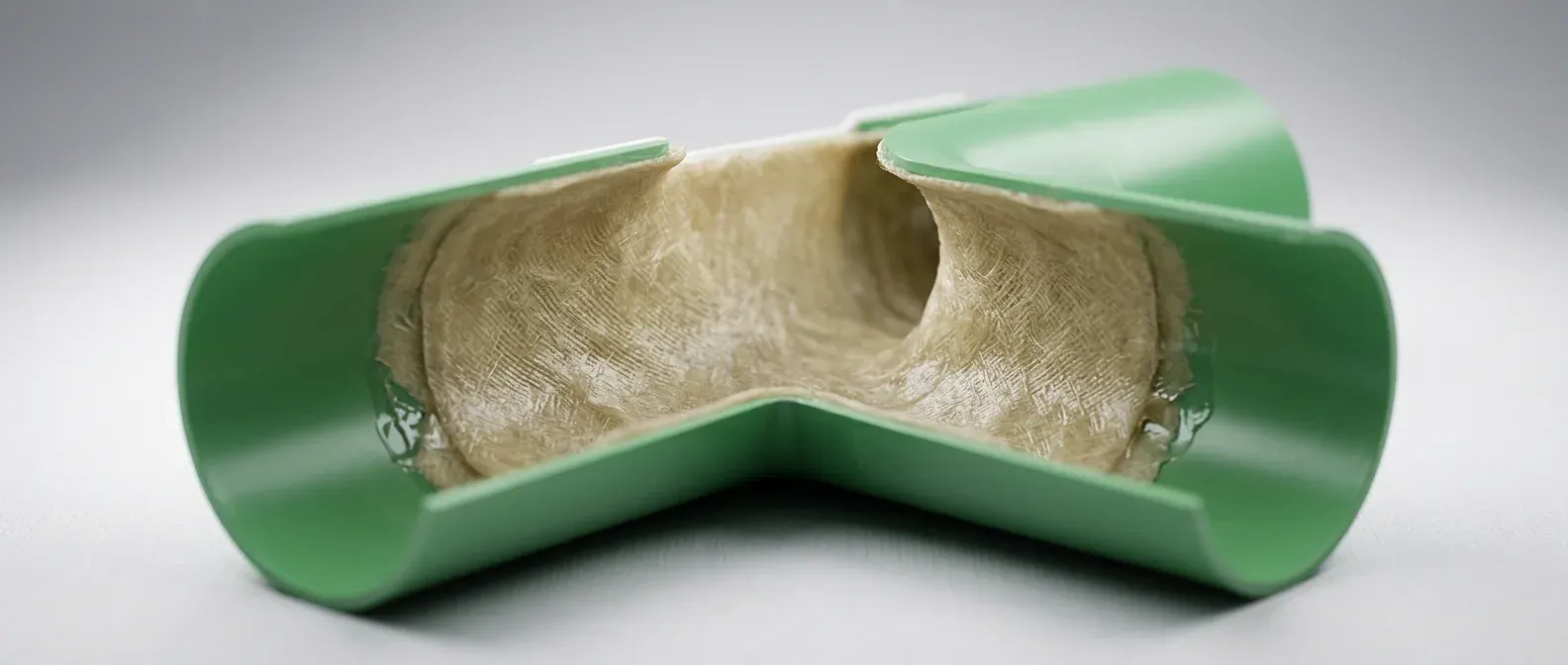
Tee cutaway showing a connection liner spanning the sewer main and extending into the perpendicular lateral.
Tee connection illustration
Branch connection cutaway showing a liner across the main-to-lateral junction in green sewer pipe.
Branch connection illustration

Preparation through completion

Our crews prepare your sewer and verify the installed repair.

  1. We inspect and prepare your pipe.

    CCTV locates the damage and shows the surrounding condition. Our crews clean deposits and cut suitable protrusions or hardened obstructions that would interfere with installation.

    See our sewer cleaning services.
  2. We coordinate the installation at your site.

    We establish the treatment limits, equipment access, sewer-flow arrangements and any required bypass with your project team. Our crew installs the selected repair using its specified curing system.

  3. We reopen connections and inspect the repair.

    Where lining covers lateral openings, our robotic crew reopens the connections included in your project. CCTV then records the completed work.

    See our robotic preparation and reinstatement.

Your repair includes records of the completed work.

Point and connection repairs include CCTV before and after each installation.

UV lining includes final CCTV, installation documentation and cure records.

Municipal and commercial rehabilitation

We plan repairs around the sewer assets your organization manages.

Municipal systems

We rehabilitate the mains and connections in your repair program.

Your collection system may need a longer lining segment, several isolated repairs or correction at leaking junctions. We coordinate the field work with your staff and engineer, including street access, connected services and sewer flow.

Facilities and campuses

We repair the private sewers serving your operations.

Internal repairs can reduce excavation beneath your parking areas, access roads and grounds. We plan equipment access and sewer-flow arrangements around your operating requirements. For industrial sewers, wastewater chemistry and temperature also inform material selection.

Engineers and contractors

Our crews perform the rehabilitation your project specifies.

CIT provides inspection, cleaning, robotic preparation and the selected trenchless installation. We coordinate your project’s repair limits, lateral reopening and required completion records. Our televising crew can investigate the affected assets when current CCTV is still needed.

01

Choose a repair for the damaged part of your sewer.

An isolated mainline defect, a damaged lateral junction and deterioration along a sewer run need different repairs. Read how we prepare the pipe, install each repair and document the completed installation.

02

Find your project location in our service area.

We serve municipal, commercial and institutional sewer projects in Iowa, Minnesota, Missouri, Nebraska, Arkansas and Colorado. Tell us where your sewer is located and which assets need inspection, maintenance or repair so we can discuss the project requirements and scheduling.

Our local sales territories cover all 99 Iowa counties, six eastern Nebraska counties and Union County, South Dakota. The territory pages list their communities, counties and CIT contacts. For projects elsewhere in our six-state service area, use the full service-area page.

Plan the repair work your sewer needs.

What is the difference between a point repair, connection liner, and full-segment liner?
A point repair treats an isolated defect in your sewer main. A TYGERPatch connection liner treats a suitable tee or wye where your lateral joins the main. Full-segment UV-cured lining rehabilitates a longer run between your manholes. Your inspection findings determine the treatment area.
Can a repair also address infiltration?
Yes, where your damaged joint or connection is also admitting groundwater, a suitable targeted repair can address the defect and associated infiltration. Your inspection needs to establish the condition and location before the repair is selected.
Can you group several repair locations into one project?
Yes. Priority point and connection repair locations can be grouped into one mobilization. Share your defect list, available footage, and project schedule so we can review the locations together.
Can every damaged pipe be repaired without excavation?
No. The condition, alignment, diameter, and failure type of your pipe determine whether a trenchless method is suitable. Some damaged or collapsed segments require excavation.
Do we need footage before asking about a repair?
You can begin with the affected location and the concern your team has identified. Mention any existing CCTV so we can arrange to review it. If current condition records are unavailable, inspection may be needed before a repair is selected.
What determines the service life and capacity of our proposed lining?
Your liner design, materials, installation, existing pipe, and operating conditions affect performance. Lining changes your pipe’s internal dimensions and surface, so capacity requires evaluation for your project. Review the proposed specifications and warranty terms with your project team.

Discuss your repair project.

Discuss repairs for your sewer main and connections.

Tell us your project location, the affected sewer assets, and the damage or recurring concern. Include your timing and any access or operating requirements. Mention available CCTV or a defect list so we can arrange to review it. You can contact us before choosing a repair method.

Call 515-434-2248