
CIT Sewer Solutions
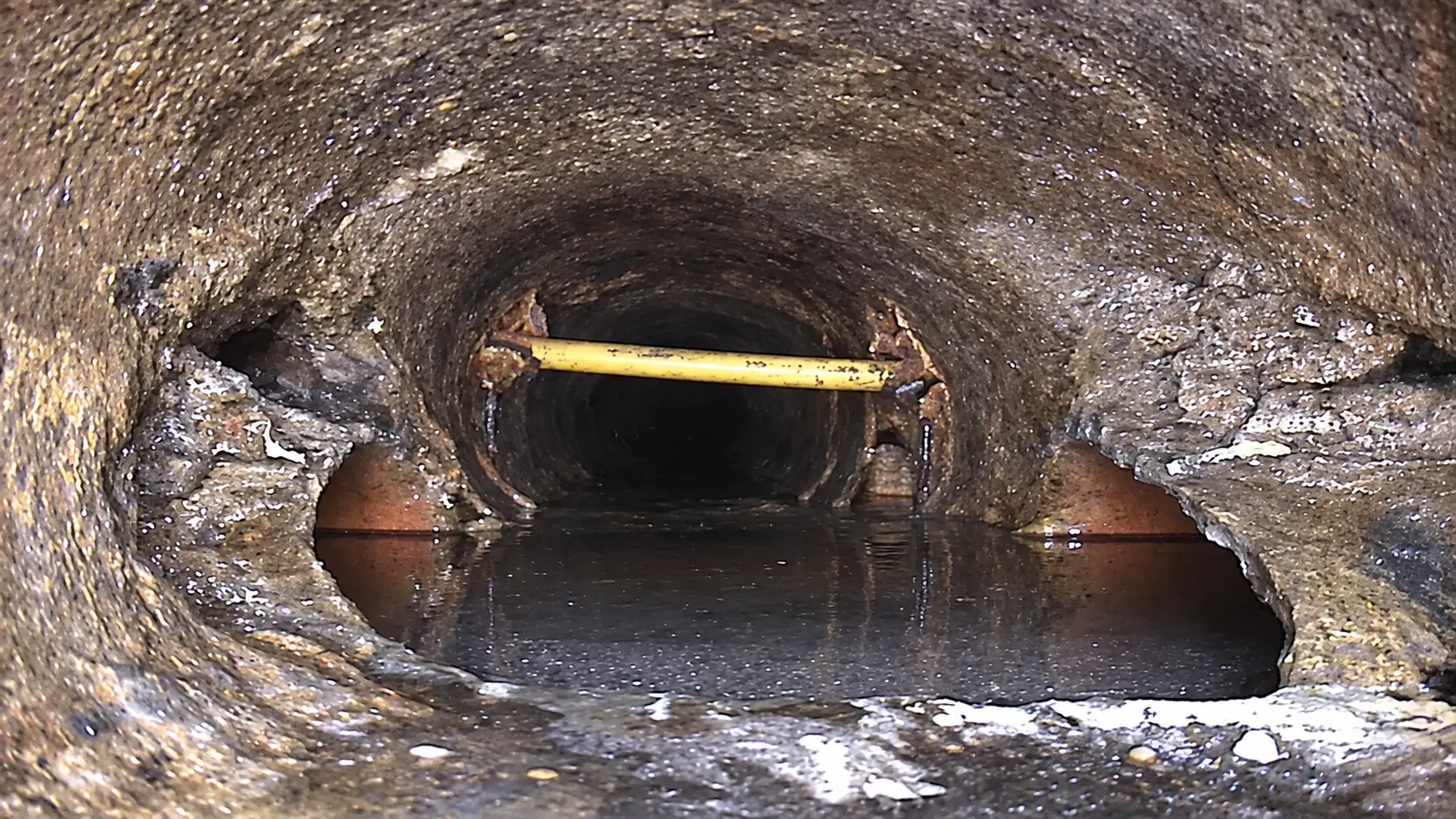
Realistic service illustration of a yellow utility crossing a sewer opening, recreated from the original inspection view without instrument overlays.

Cross-bore prevention

We inspect your sewer for utility intrusions before and after installation work.

Our CCTV cameras inspect your accessible sewer mains and laterals for signs of a utility crossing through them. We record conditions before and after nearby utility installation and investigate suspected cross-bores. Your utility owner and contractor can review what the camera found at the affected location.

  • We inspect your accessible sewer mains and laterals.
  • Your records document conditions before or after utility work.
  • We record suspected intrusions for utility-owner review.

Discuss your cross-bore inspection.

We use your details to respond to your inquiry. You can submit it with internal analytics turned off. Read our Privacy Policy.

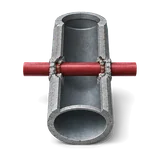
Service illustration

Illustration of a smaller utility line penetrating both walls and crossing the inside of a sewer.

How we help

We look inside your sewer where utility work may have caused a conflict.

A cross-bore occurs when an installed utility intersects an existing sewer asset. We inspect the accessible mains and laterals in your project area to look for visible intrusions. Pre-work footage records the starting condition; post-work footage can show visible changes and suspected conflicts.

We inspect at the stages your utility project needs.

  • We record your accessible sewer before nearby utility installation.
  • We inspect your mains and laterals after installation for visible changes.
  • We investigate and record suspected intrusions for utility-owner review.
  • We identify which sewer areas the camera reached and which remain uninspected.

We look for utility crossings within your sewer’s flow path.

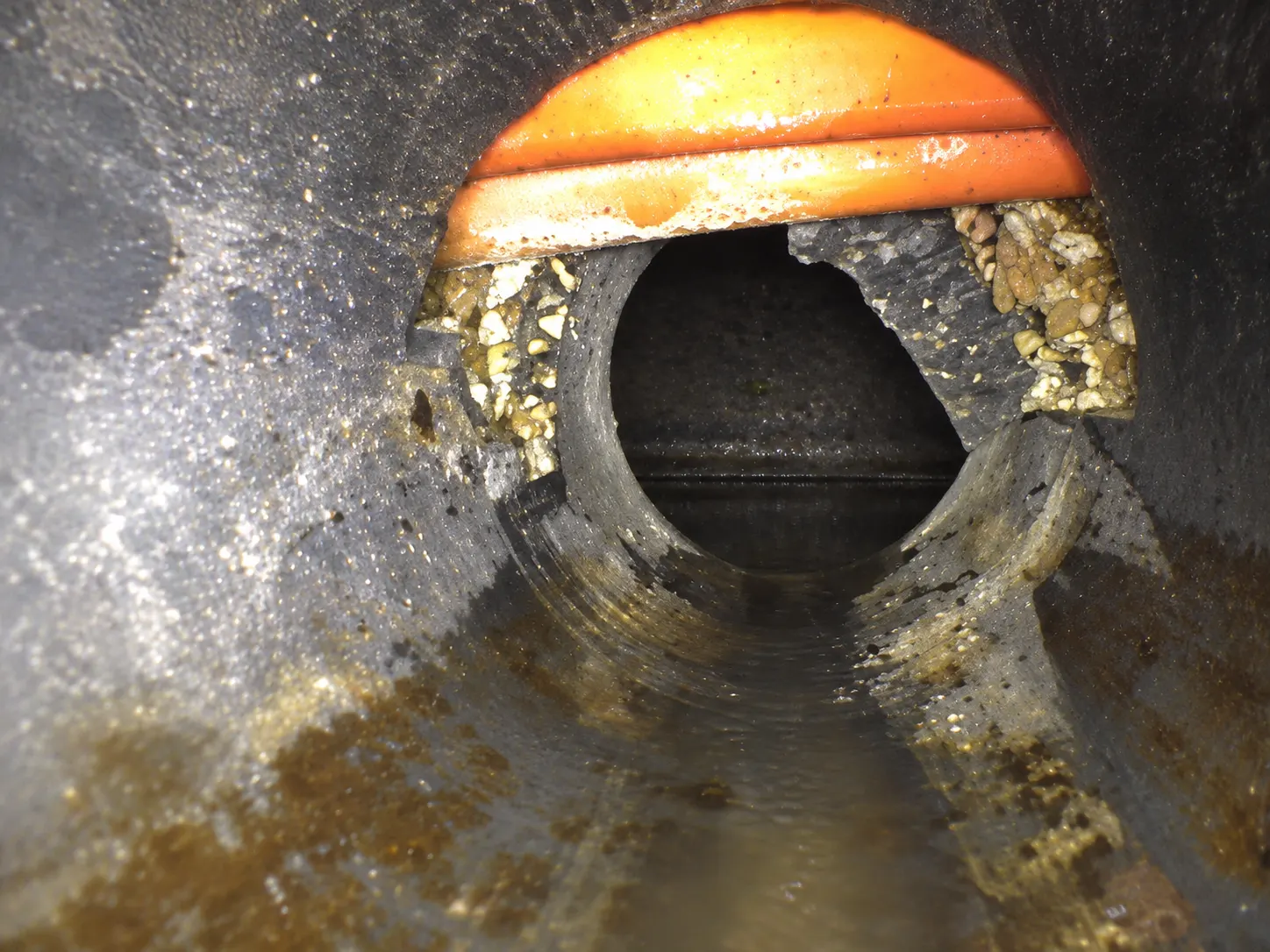
Recreated inspection-camera view showing an orange utility near the top of a damaged sewer lateral opening.
Recreated camera view

We inspect around your lateral openings.

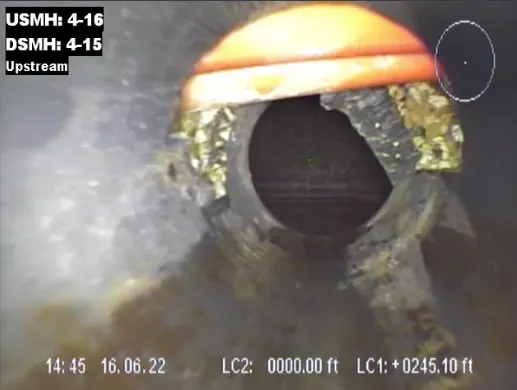
A utility crossing can be partly hidden near your lateral opening. Our cameras examine the visible connection and accessible lateral so your project team can review the suspected conflict.

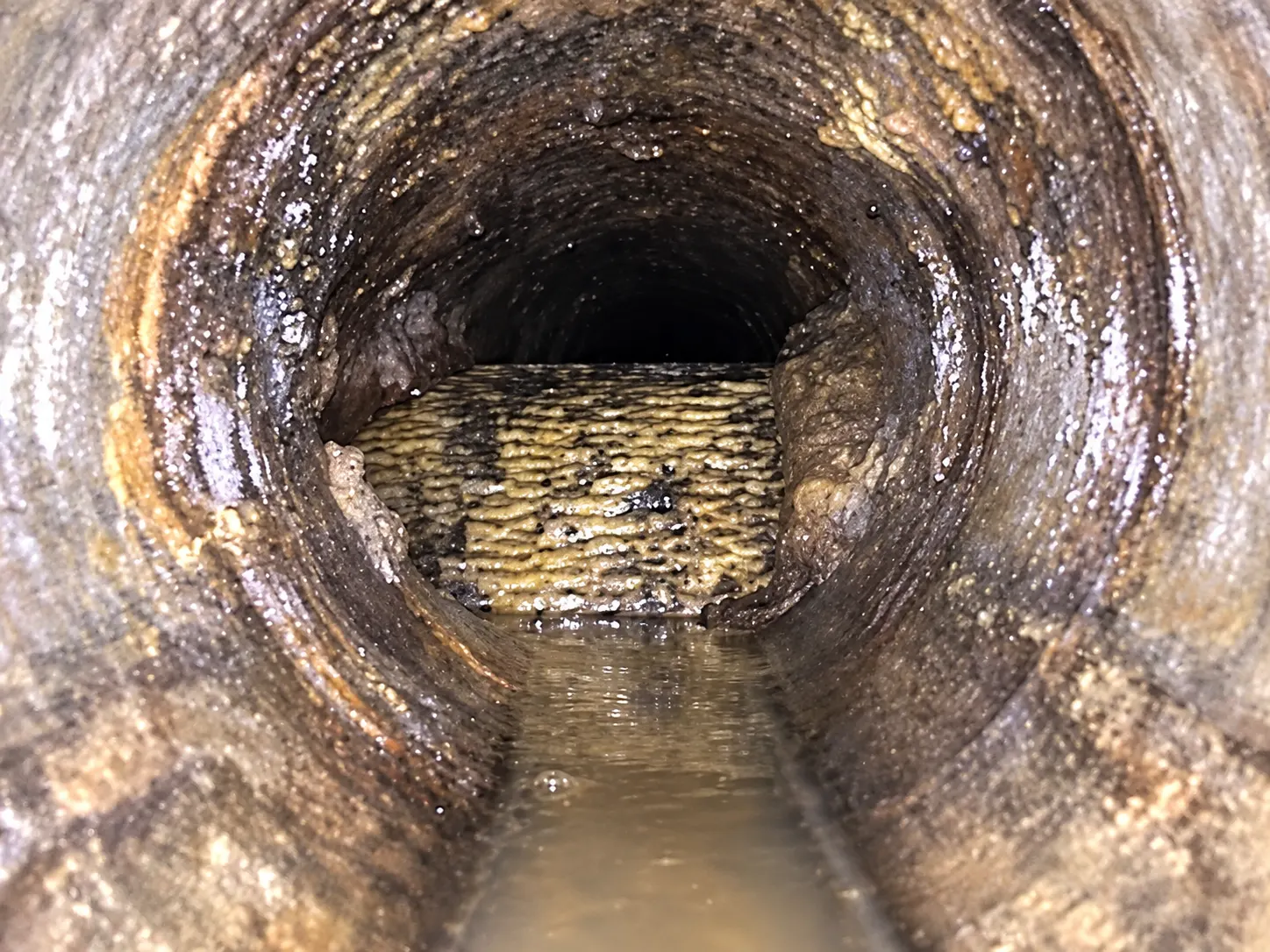
Recreated inspection-camera view showing a wide textured obstruction across the lower part of a sewer opening, with water below.
Recreated camera view

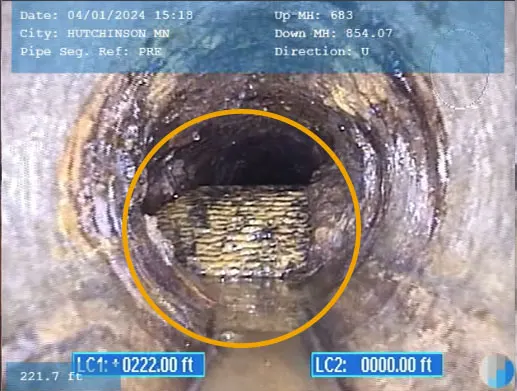
We record how a suspected intrusion affects your pipe’s opening.

Your inspection footage shows the visible obstruction and the surrounding pipe condition. Your affected utility owner can use that evidence when directing identification and any isolation or removal.

Your inspection records retain what our cameras observe.

Original CIT-published camera capture of an orange utility near a lateral opening, with its recorded inspection overlays.
Original CIT camera capture

Your lateral inspection can reveal a crossing near the top of its opening.

Original CIT-published camera capture of a wide textured obstruction, with its inspection overlays and circular annotation.
Original CIT camera capture

Your camera footage can show how much of your pipe’s opening a suspected intrusion occupies.

We inspect the affected sewer and document suspected conflicts.

  1. We identify the sewer runs near your utility work.

    We review your installation area, sewer maps, and known concerns. This establishes the mains and laterals to inspect before work, afterward, or during a suspected-intrusion investigation.

  2. We inspect your mains and accessible laterals.

    Our CCTV cameras record the selected sewer runs. We distinguish mainline coverage from lateral coverage so your project team knows what was reached.

  3. We record any suspected intrusion.

    Footage shows the visible crossing and surrounding sewer condition. Your affected utility owner can review that evidence when identifying the utility and determining the response.

  4. We keep removal under the utility owner’s direction.

    Suspected gas or electrical intrusions require the affected utility owner’s procedures. Inspection, utility isolation or removal, and subsequent sewer repair are separate tasks.

What you receive

We record suspected utility intrusions inside your sewer.

Inspection footage shows what was visible in your sewer before or after utility installation. If the camera records a suspected intrusion, the affected utility owner can review that evidence when determining the response.

  • Your footage provides a reference for reviewing visible conditions before or after installation.
  • Your observations record suspected intrusions within the inspected assets for utility-owner review.
  • Your inspection coverage identifies which sewer assets were reached and which areas still need investigation.

Who This Is For

We work with utility owners, engineers, and contractors.

  • Your utility needs sewer condition records around an installation.
  • Your contractor needs defined inspection coverage for its project area.
  • Your engineer or asset owner needs documented evidence of a suspected conflict.

01

Our lateral-launch cameras inspect beyond your mainline connections.

Utility work may cross a lateral as well as your main. We can launch a camera from the main into an accessible lateral to inspect beyond the junction. A mainline camera view alone does not cover that full lateral.

Bends, obstructions, flow, and access affect coverage. CCTV records visible conditions in the areas reached; it does not provide universal clearance to drill, cut, jet, or excavate.

02

We can repair your sewer after the utility conflict is resolved.

After the affected utility owner resolves the conflict under its approved procedures, CIT can inspect the remaining sewer damage and perform suitable point repair, connection repair, or lining.

Do not treat a suspected gas or electrical crossing as ordinary debris to cut or clean out. Tell us about that concern when requesting inspection.

01

Find your project location in our service area.

We serve municipal, commercial and institutional sewer projects in Iowa, Minnesota, Missouri, Nebraska, Arkansas and Colorado. Tell us where your sewer is located and which assets need inspection, maintenance or repair so we can discuss the project requirements and scheduling.

Our local sales territories cover all 99 Iowa counties, six eastern Nebraska counties and Union County, South Dakota. The territory pages list their communities, counties and CIT contacts. For projects elsewhere in our six-state service area, use the full service-area page.

Plan your cross-bore inspection.

What is a cross-bore?
A cross-bore occurs when a utility installation intersects an existing sewer asset. A suspected intrusion within your sewer system requires coordination with the affected utility owner before cleaning or removal work proceeds.
What do you do if you find one?
A suspected intrusion is documented for review with the affected utility owner. It is not treated as routine obstruction removal; utility identification and the applicable procedures govern further work.
When should a cross-bore survey happen?
Inspection before and after utility installation can document visible conditions within your accessible sewer mains and laterals. Inspection coverage and visibility have limits, and the records do not provide universal clearance to drill, cut, or excavate.
Who receives the findings?
Identify the project team, utility owner, engineer, or agency that needs your inspection findings. Include those reporting requirements in your inspection scope.

Discuss cross-bore inspection scope

Plan inspection around your utility project.

Tell us your work area, project phase, affected sewer assets, and any suspected intrusion. Include your utility-owner contacts, reporting needs, and schedule.

Call 515-434-2248