CIT Sewer Solutions
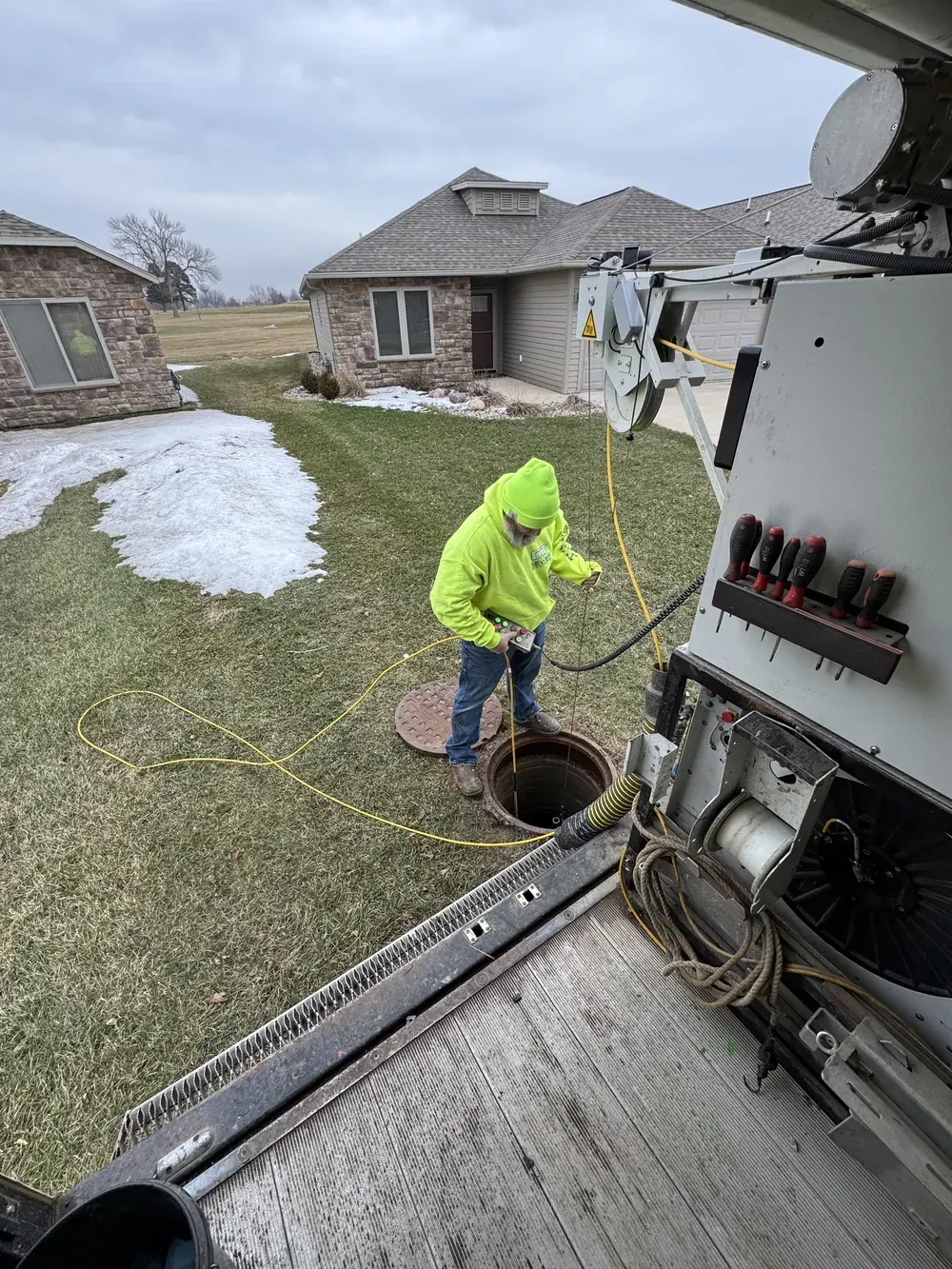
A CIT technician runs equipment into an open manhole during a residential service area inspection.

Manhole inspections

We inspect your manholes for leakage and deterioration.

Our 360-degree inspections show water entering your manholes, damaged joints, deteriorated walls and failed pipe connections. We inspect sanitary and storm manholes for municipalities, facilities, engineers and contractors. Our SewerAI municipal assessment adds condition coding, 3D models or point clouds, and reports so your staff and engineer can compare the manholes needing repair or closer investigation.

  • We inspect individual manholes, selected basins and entire manhole inventories.
  • Our municipal assessment includes coding, models and reports.
  • We connect each inspection to your manhole number or location.

Discuss your manhole assessment.

We use your details to respond to your inquiry. You can submit it with internal analytics turned off. Read our Privacy Policy.

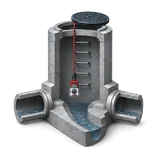
Illustration of a manhole inspection camera above the bottom channel and connected sewer pipes.

Manhole condition assessment

We locate visible leaks and damage inside your manholes.

Rainwater and groundwater entering your sanitary sewer are known as inflow and infiltration (I&I). Water can enter through defective chimneys, open joints, deteriorated walls and pipe penetrations, consuming sewer capacity during wet weather. We record those visible entry points and inspect the bench and channel for damage or obstructions that can affect flow through your manhole.

We show the defects your engineer needs to evaluate.

  • We record visible water entry at your manhole joints and connections.
  • We show cracking, corrosion, mortar loss and displaced masonry in your manhole walls.
  • We associate the images and condition reports with each manhole in your asset inventory.
NASSCO Manhole Assessment Certification Program (MACP) logo

We document your manhole defects using MACP condition codes.

Our municipal manhole assessment includes the selected MACP Level 1 or Level 2 assessment, so your staff can compare recorded conditions across your manhole inventory.

Explore manhole assessment options.

PACP and MACP are trademarks of NASSCO, Inc.

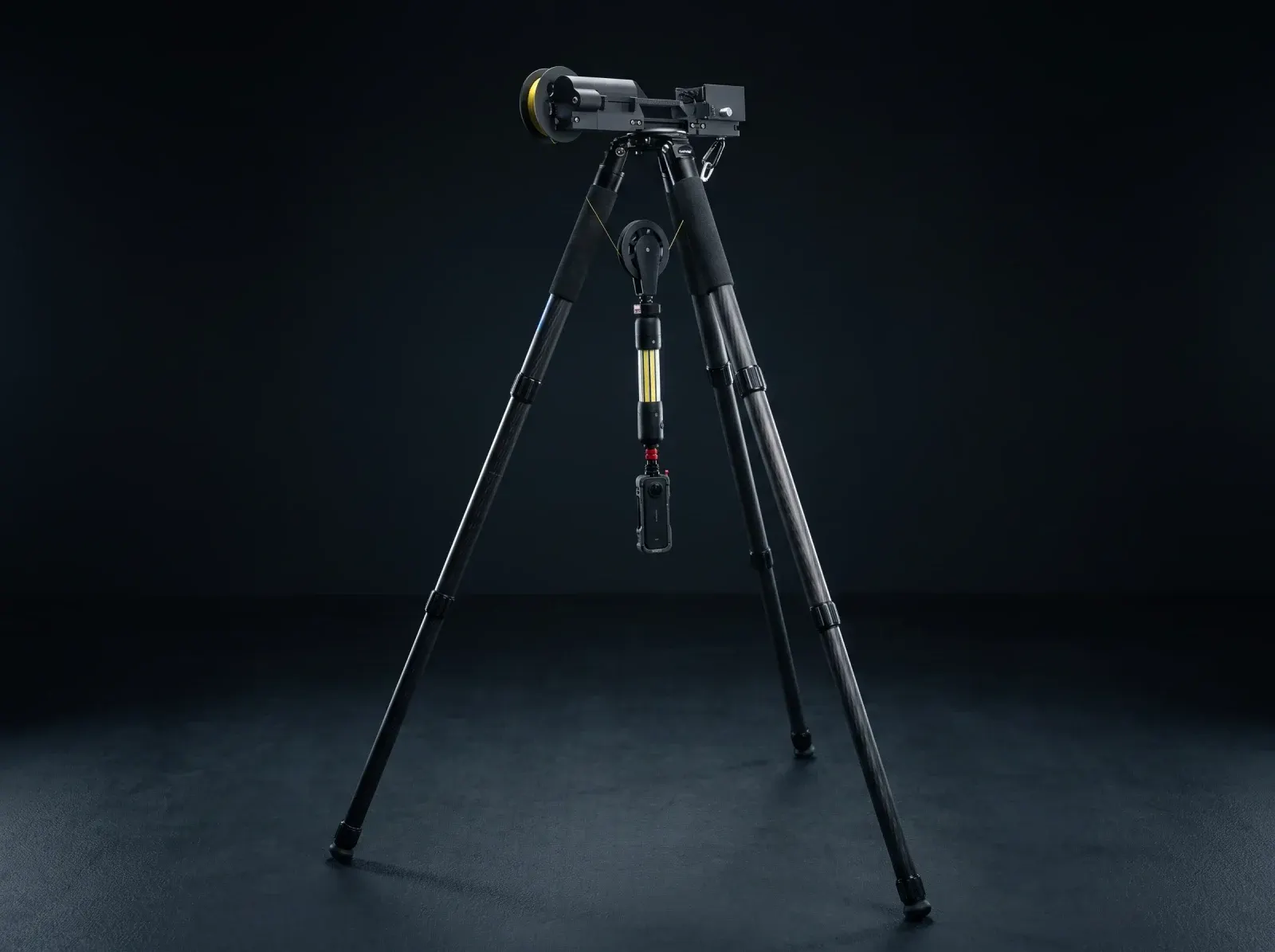
Tripod-mounted lowering unit with a suspended manhole inspection camera and lighting.
The lowering unit positions the camera and lighting beneath the tripod.

Our illuminated camera records your manhole from above the opening.

Our crew controls the camera's descent from the surface. Dedicated lighting illuminates the interior as the 360-degree camera records. Your staff and engineer can return to a recorded joint, pipe connection or previous repair after the field inspection, without relying on one selected photograph.

We inspect your manhole from its frame to its invert.

We examine the accessible, visible components and record defects against your manhole number. Standing water, deposits and access conditions can limit what the camera sees.

  • We check your frame and cover seating, adjustment rings and chimney area.
  • We record your cone and transition sections, brick, block or concrete walls, and horizontal and vertical joints.
  • We examine your pipe penetrations, connections, drop connections and internal piping.
  • We record your bench, flow channel, invert and visible obstructions.
  • We examine your coatings, grout and previous repairs for visible deterioration.
  • We document active infiltration, mineral deposits, cracking, corrosion and visible material loss.
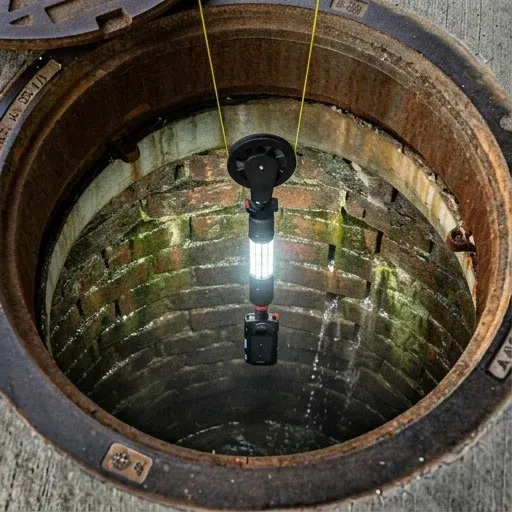
Illuminated camera suspended within a wet brick manhole beneath its circular frame.
Lighting reveals the brickwork and wet joints below the frame.
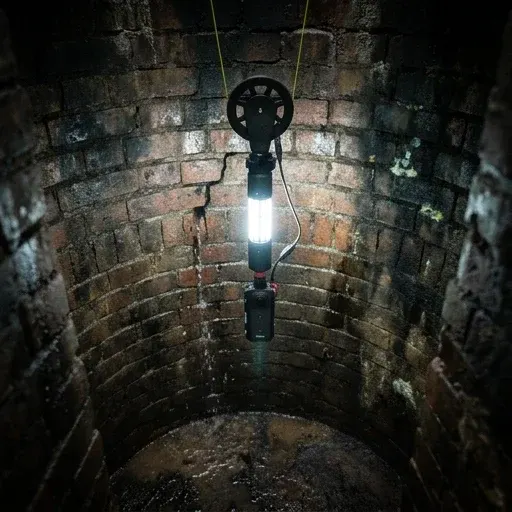
Camera and light suspended beside the brick walls inside a manhole.
The camera records the surrounding wall as it descends through the manhole.
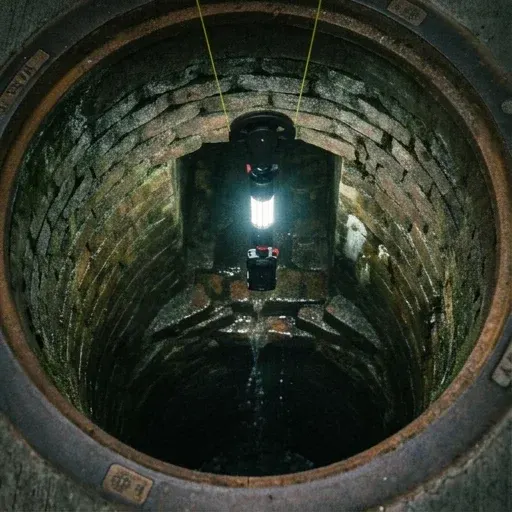
View through a manhole frame toward a suspended camera and illuminated brick walls.
The view from the opening shows the frame, upper brickwork and suspended lighting.

We document leaking joints, deteriorated masonry and missing wall sections.

Camera lighting illuminating wet brickwork and staining beneath a manhole frame.
Wet joints and staining are visible around the illuminated brickwork.

We record water entering your manhole.

Active leaks, damp joints, mineral buildup and stained flow paths help identify visible entry locations. Your engineer can compare those locations when evaluating leakage repairs.
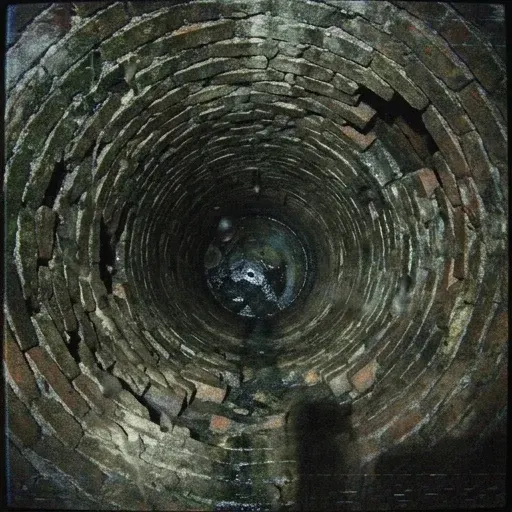
Interior view down a brick manhole with uneven masonry and open mortar joints.
Uneven masonry and open joints can be examined in the recorded wall view.

We record displaced brick and missing mortar.

Loose masonry, open joints, cracking and visible deformation can require maintenance or structural evaluation. We document their locations within your manhole so the affected areas can be examined.
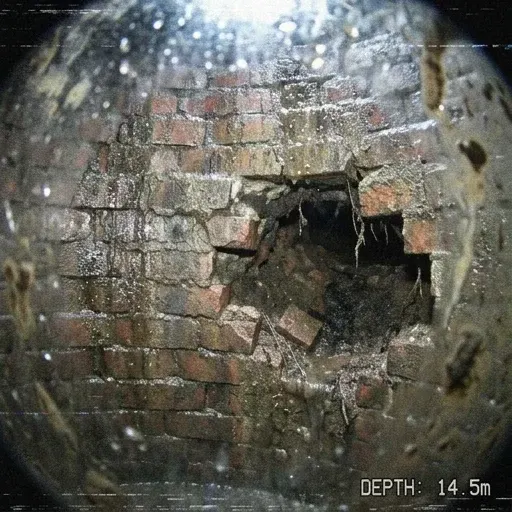
An opening through a brick manhole wall with missing masonry and exposed material behind it.
The wall view shows missing bricks and the material exposed behind them.

We show openings in your manhole wall.

Missing masonry, exposed soil and visible voids belong in your rehabilitation assessment. Our images show the opening and surrounding wall condition for your engineer's review.
Call 515-434-2248
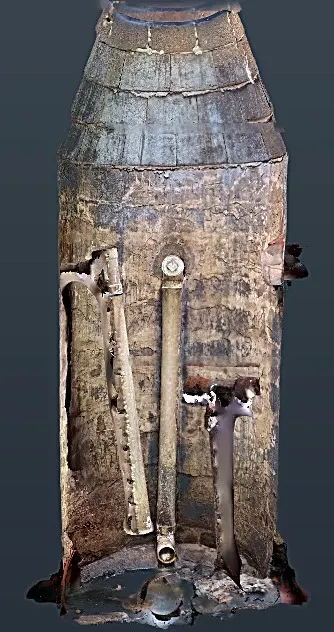
Example 3D model showing the interior walls and pipework of a manhole.Example model
A 3D model lets you examine the recorded walls and connections when planning your manhole repairs.

SewerAI manhole assessment

We inspect your manholes in 360 degrees.

We lower a 360-degree camera into your manhole to record its visible interior. We use SewerAI in our municipal assessment, which includes the selected Manhole Assessment Certification Program (MACP) Level 1 or Level 2 coding, 3D models or point clouds, shareable reports and geographic information system (GIS)-ready data.

Your staff and engineer can examine the recorded walls and pipe connections in the model when assessing rehabilitation. Our technicians review the assessment. You can review sample reports and models with us before arranging a pilot covering 10 to 25 manholes.
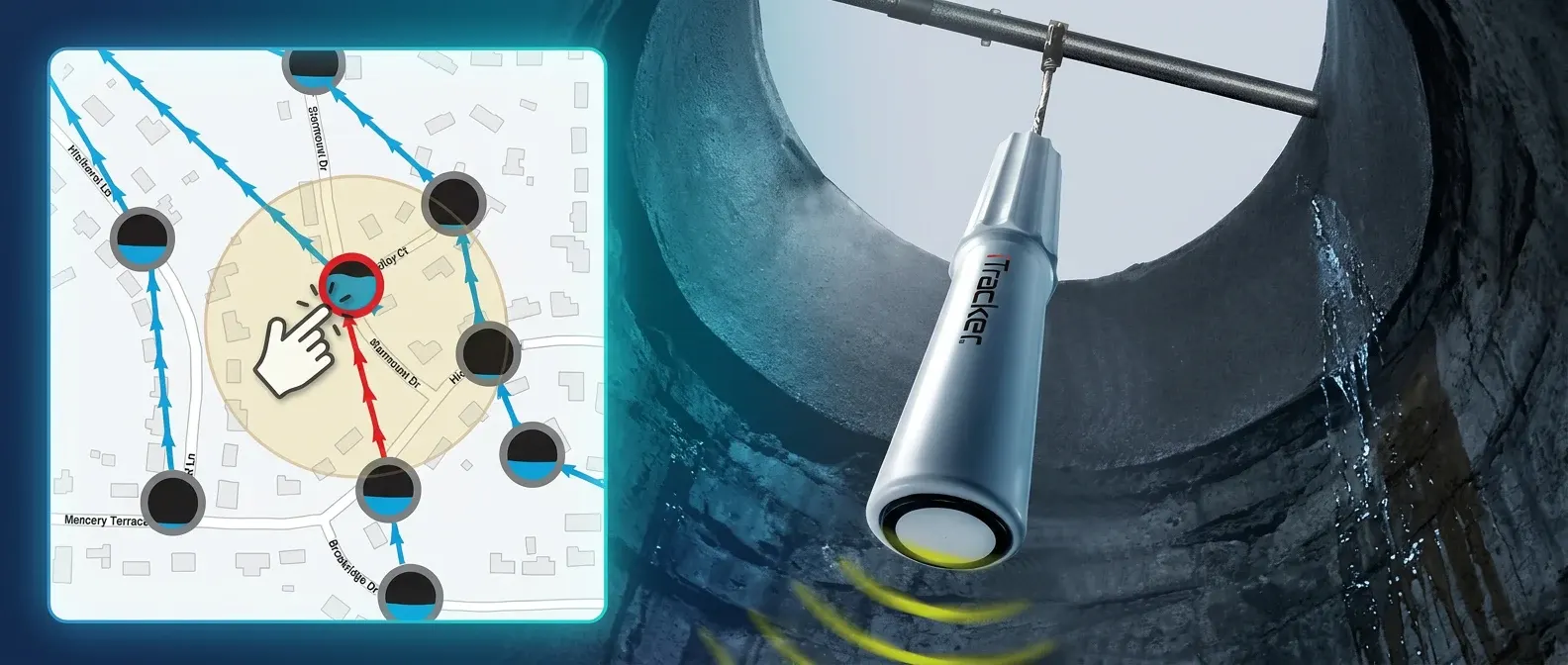
Illustration of a monitor suspended in a manhole alongside a map of connected sewer monitoring locations.
Monitoring at connected manholes helps compare wet-weather flow across your sewer system.

Temporary flow monitoring

We measure how your sewer flow changes when it rains.

We place temporary flow monitors at the manholes that separate your sub-basins. We compare baseline readings, rainfall and wet-weather response to identify which sewer areas need closer investigation. Your staff can use that comparison to prioritize smoke testing, dye testing and camera inspection.

Monitoring can accompany your manhole assessment or annual sewer maintenance. Flow readings identify areas to investigate; smoke testing, dye testing and inspection examine suspected water-entry paths within those areas.

We inspect the manholes causing backups, leaking water or needing rehabilitation.

We can inspect one problem manhole, a selected basin or your full inventory. Your maintenance history, wet-weather concerns and planned construction help us identify which manholes to inspect first.
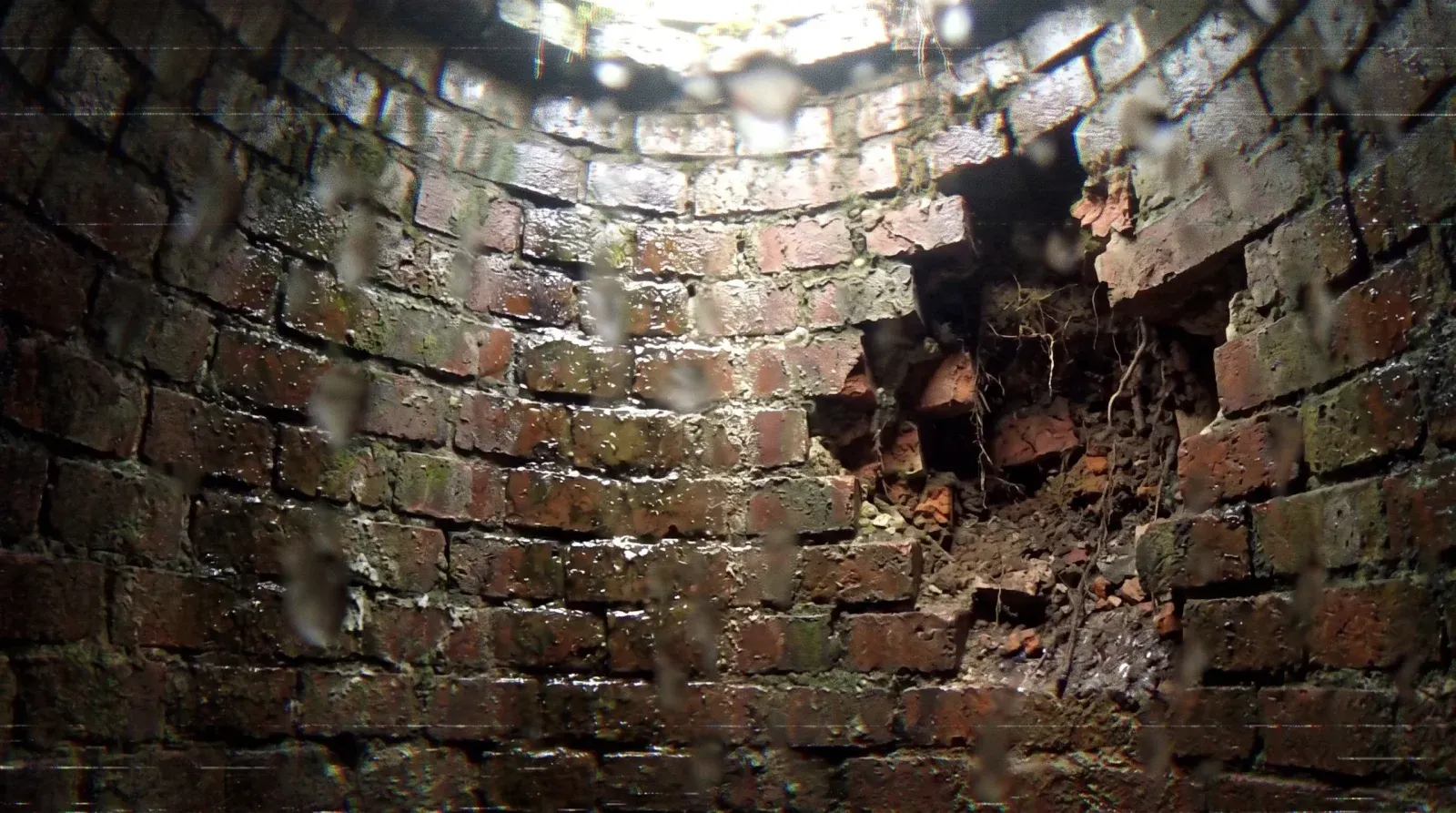
Wide view of deteriorated brickwork and a large opening through a manhole wall.
The wider view records the missing wall section and the brickwork surrounding it.
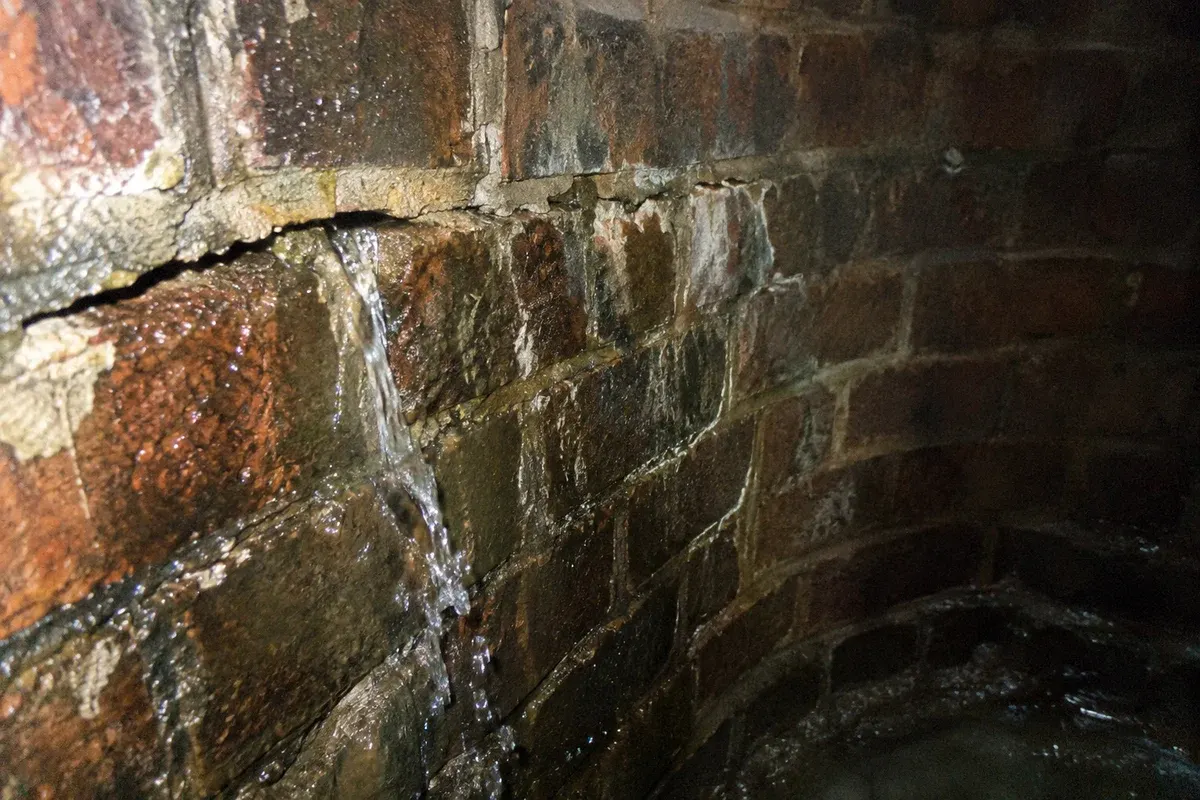
Condition illustration of water streaming from an open joint in a brick manhole wall.Condition illustration

We investigate visible leaks when your wet-weather flows rise.

Rain or snowmelt can increase flow through leaking joints, defective chimneys and open penetrations. We inspect manholes in basins with elevated flow, pump station loading, surcharge history or recurring overflow concerns.
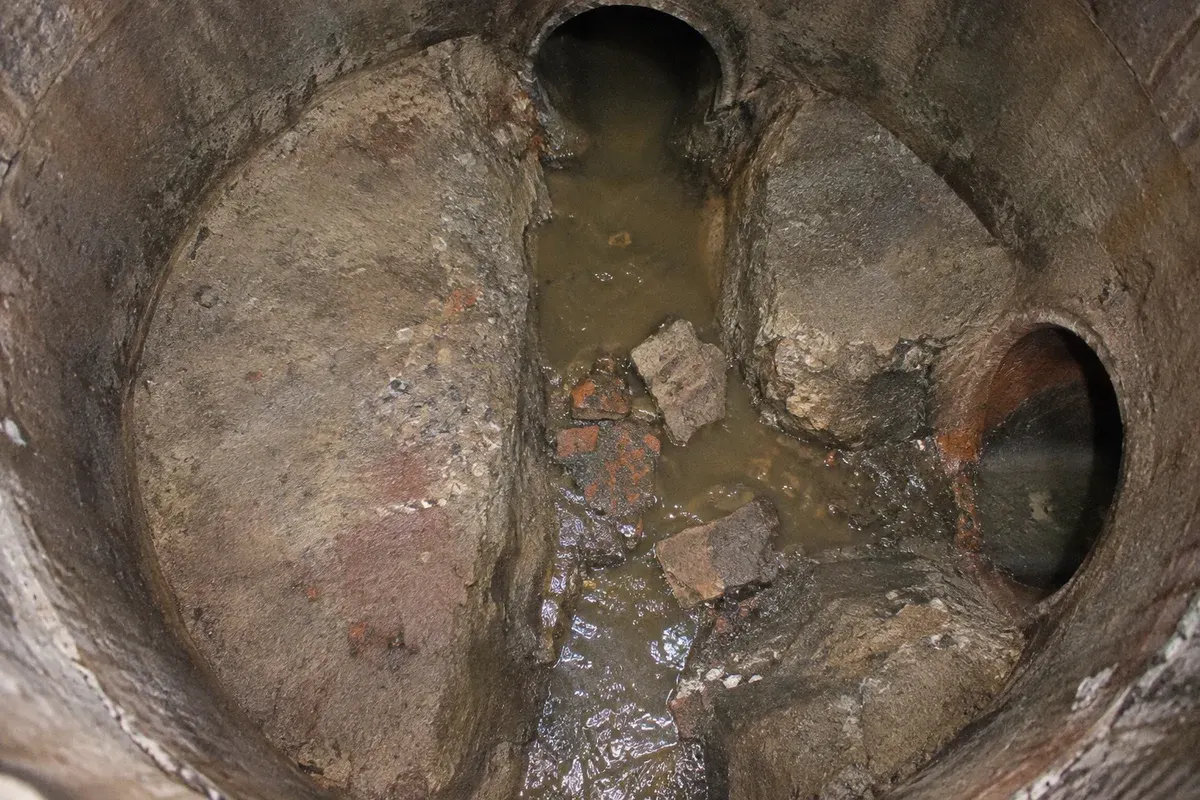
Condition illustration of sediment and loose masonry restricting a manhole flow channel.Condition illustration

We examine the manholes at your recurring backup locations.

A damaged bench, restricted channel, loose masonry or failed pipe connection can affect flow through your manhole. We record those conditions so your team can distinguish a maintenance concern from deterioration needing further evaluation.
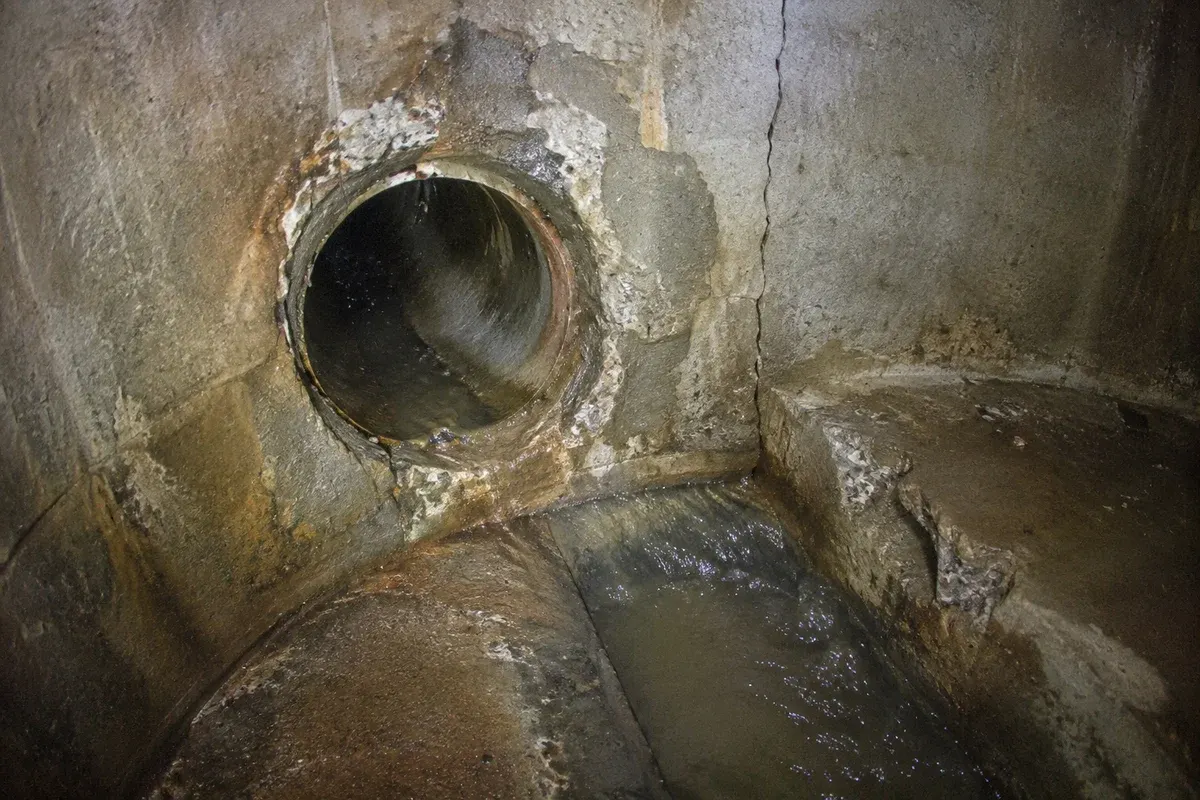
Condition illustration showing a manhole pipe connection, cracked bench and deteriorated wall for rehabilitation review.Condition illustration

We help your engineer document manhole rehabilitation quantities.

Current footage shows the joints, masonry, coatings, bench and connections before your engineer specifies grouting, masonry repair, coating, lining or replacement. Bidders can review the same visible conditions when pricing repairs and planning access.
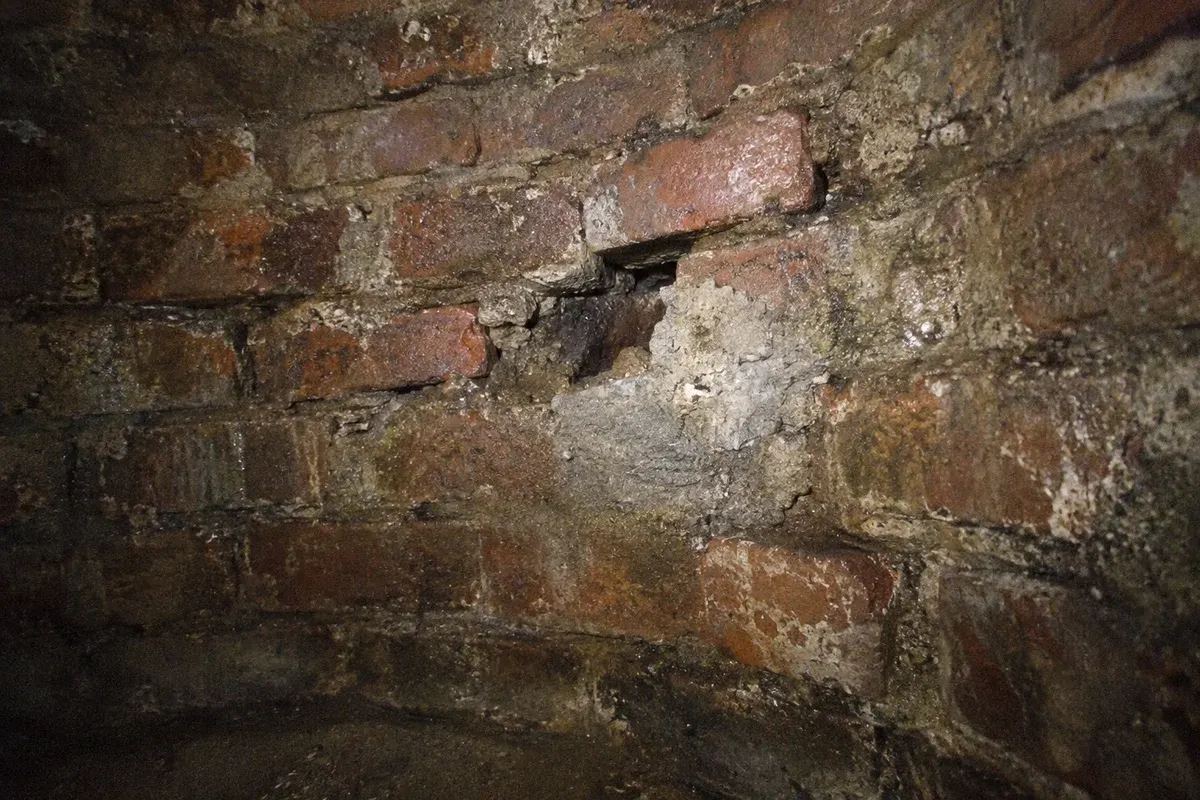
Condition illustration of an aging brick manhole with missing mortar, displaced bricks and old patch repairs.Condition illustration

We document your aging manholes before the next budget cycle.

Old brick manholes may have little inspection history. We record mortar loss, displaced brick, leaks, deposits, openings and previous repairs so your staff can compare maintenance and rehabilitation needs against the available budget.
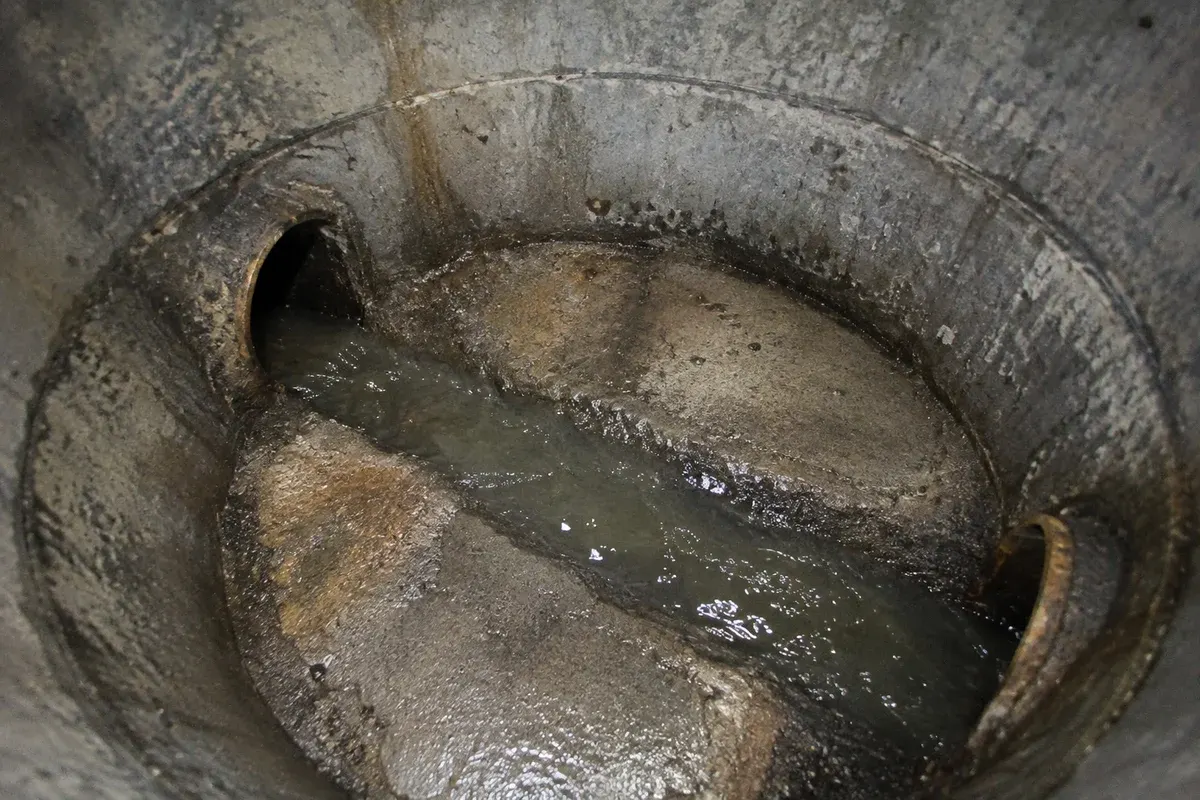
Condition illustration of a concrete manhole with two pipe connections and a formed drainage channel.Condition illustration

We inspect your private manholes before property or utility changes.

We can inspect sanitary and storm manholes before acquisition, redevelopment, major construction or a transfer of maintenance responsibility. Your property team receives current condition information for manholes that may not have been inspected recently.
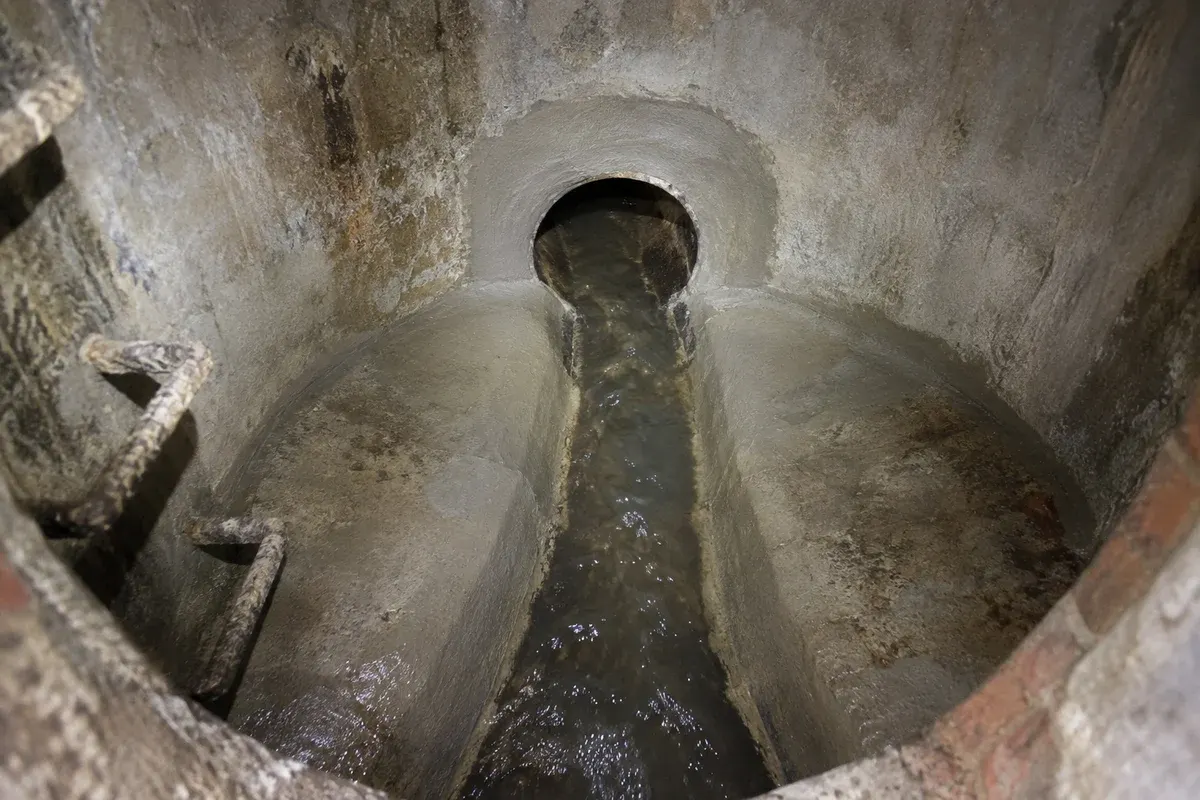
Condition illustration of repaired manhole joints, restored bench surfaces and finished pipe connections.Condition illustration

We record your manholes before and after rehabilitation.

We document visible joints, grout repairs, masonry restoration, coatings, liners, benches and connections. Your completion images support project closeout, warranty records, owner turnover and future comparison; visual inspection alone does not certify watertightness or hidden installation conditions.

Email our team.

Inspection process

We capture, review and report on each of your manholes.

  1. We plan the inspection with your staff.

    We review your map, manhole numbers, trouble locations, access requirements and deadline. We confirm the assessment level and the reporting and data formats your staff or engineer needs.

  2. We record your manhole from the surface.

    Our crew opens your manhole, centers the illuminated 360-degree camera and lowers it through the accessible interior. The camera records visible walls, joints, connections, the bench, channel and invert.

  3. Our technicians review the recorded defects.

    We identify visible infiltration, deteriorated masonry, damaged connections and other recorded conditions. For your municipal assessment, our technicians review the selected condition coding alongside the images.

  4. We deliver the files for your inspected manholes.

    Your inspection video, selected images, manhole identifiers and reports follow the agreed package. For your municipal assessment, models or point clouds and GIS-ready data let your staff compare deterioration and connect each report to your inventory.

Inspection deliverables

Your staff and engineer can review the same manhole defects.

A basic visual inspection has its own video, image and reporting scope. Our municipal assessment includes Manhole Assessment Certification Program (MACP) Level 1 or Level 2 coding, 3D models or point clouds, shareable reports and geographic information system (GIS)-ready data.

  • Your 360-degree video lets reviewers look around the recorded manhole and return to a particular joint, wall or connection.
  • Selected images show visible leakage, deterioration, pipe connections, bench damage and other defects included in your inspection.
  • Your files use your manhole numbers, site locations, map references or existing asset names so each inspection can be found again.
  • Field observations record visible leakage, deterioration and access conditions included in your inspection scope.
  • MACP condition coding organizes your recorded manhole conditions at the selected assessment level for consistent review.
  • Your 3D models or point clouds let your staff examine the recorded manhole walls and connections from different views. Qualified imagery can also support panoramic outputs when included in your project.
  • Shareable reports give your staff, engineer and bidders the same manhole condition information for rehabilitation planning and pricing.
  • GIS-ready data connects your manhole inspections to your asset inventory using the identifiers and export format established for your project.

Who This Is For

We inspect the manholes your organization owns or manages.

  • Your public works department can investigate manholes in wet-weather basins, aging neighborhoods, surcharge areas and planned capital improvement zones.
  • Your consulting engineer can review manhole defects for rehabilitation design, quantities, bid documents and preconstruction coordination.
  • Your industrial facility can document sanitary and storm manholes around production areas, warehouses, distribution centers and other operating sites.
  • Your commercial property team can inspect manholes serving shopping centers, office parks, multifamily developments, mixed-use sites and multi-building properties.
  • Your hospital, school, university, correctional facility or government campus can organize inspection records across its private sewer and drainage network.
  • Your utility contractor can use the manhole footage for estimating, access planning, rehabilitation preparation, completion records and owner turnover.

01

We grout suitable leaks in your manholes.

Our crews grout suitable leakage locations to treat the identified water-entry path. The inspection shows the affected joint, wall or pipe connection so the repair can be matched to its condition. Significant deterioration may require additional rehabilitation.

If wet-weather flow remains a concern across your system, we can combine manhole assessment with temporary flow monitoring and inspection of your connected mains. That investigation helps distinguish visible manhole leakage from water entering elsewhere in your sewer.

02

We can start with 10 to 25 of your manholes.

You can review sample reports and models with us, then begin with a pilot assessment of 10 to 25 manholes. Your staff can examine the recorded defects and try the data format before arranging a larger assessment.

We identify the pilot manholes and confirm the assessment level and price with you before inspection. A single problem manhole can also be inspected separately; the pilot is not a minimum purchase.

03

We can inspect the sewer mains connected to your manholes.

A leaking manhole may be one part of a wider wet-weather problem. Closed-circuit television (CCTV) inspection examines your accessible mains, laterals and service connections for visible damage and water entry. Smoke and dye testing investigate suspected inflow paths and cross-connections.

If the connected sewer needs repair, our trenchless services treat suitable defects in your mains and lateral connections. Manhole inspection records visible conditions; hidden defects and structural capacity require additional evaluation, and a model is not a survey measurement.

01

Find your project location in our service area.

We serve municipal, commercial and institutional sewer projects in Iowa, Minnesota, Missouri, Nebraska, Arkansas and Colorado. Tell us where your sewer is located and which assets need inspection, maintenance or repair so we can discuss the project requirements and scheduling.

Our local sales territories cover all 99 Iowa counties, six eastern Nebraska counties and Union County, South Dakota. The territory pages list their communities, counties and CIT contacts. For projects elsewhere in our six-state service area, use the full service-area page.

Plan your manhole inspection with us.

What does your manhole inspection cover?
We document visible conditions from your manhole's frame and cover through its chimney, walls, joints, connections, bench, channel and invert. Your manhole number or location connects the inspection to your asset records.
What is included in your municipal assessment?
Our municipal assessment uses SewerAI and includes the selected Manhole Assessment Certification Program (MACP) Level 1 or Level 2 assessment, 3D models or point clouds, shareable reports and geographic information system (GIS)-ready data. Our technicians review the assessment. A basic visual inspection has a separate reporting scope.
Can we begin with a smaller assessment?
Yes. You can review sample reports and models, then arrange a pilot covering roughly 10 to 25 of your manholes. We confirm the locations, assessment level, reporting needs and price before inspection. The pilot is separate from the city's free scan trial and is not a minimum purchase.
Do you need our manhole locations before inspection?
Share your available maps, manhole identifiers, quantities and access information. If your records are incomplete, we can discuss the additional asset identification your inspection requires.
Can you inspect one problem manhole?
Yes. We can inspect one of your manholes to investigate a backup, active leak, construction concern or maintenance problem. We also inspect selected basins and larger manhole inventories.
Can you inspect our private sanitary and storm manholes?
Yes. We inspect manholes serving commercial properties, industrial facilities, multifamily developments, institutional campuses and multi-building sites. We plan access around your property's requirements.
Which manhole defects can the camera document?
We record visible infiltration, open joints, missing mortar, displaced brick, cracking, corrosion, damaged pipe connections, deteriorated benches, channel problems, obstructions and visible failures in previous repairs. Camera access and visibility affect coverage.
Can manhole inspection be part of our I&I investigation?
Yes. We can combine manhole inspections with mainline and lateral camera inspection, smoke testing, dye testing and temporary flow monitoring. These methods investigate different sources of inflow and infiltration (I&I), the unwanted rainwater and groundwater entering your sanitary sewer.
Can you provide MACP condition coding?
Yes. Our municipal program includes the selected Manhole Assessment Certification Program (MACP) Level 1 or Level 2 assessment. For a differently scoped inspection, we establish the coding and report format your municipality, engineer or project specification requires.
Can your inspection support our rehabilitation bid?
Yes. Your engineer and bidders can review the same manhole footage before finalizing rehabilitation quantities, access requirements and repair methods. The video documents visible conditions for their evaluation.
Can you inspect our manholes after rehabilitation?
Yes. We can record visible grout repairs, masonry restoration, coatings, liners, benches and connections after completion. Those images support closeout and future condition comparison; they do not certify hidden installation conditions or watertightness.
What information helps you price our inspection?
Tell us the location, estimated manhole count, known trouble areas, access requirements and timing. Mention available maps or asset lists, the assessment level and any required report or asset-system format. If you are unsure which inspection you need, describe the problem and we can help define the inspection.

Request manhole inspection pricing

Request pricing for your manhole inspection.

Tell us your location, approximate manhole count and any leaks, backups or deterioration concerns. We can price a single inspection, a pilot or a larger assessment, and review sample reports and models with your team.

Call 515-434-2248