
CIT Sewer Solutions
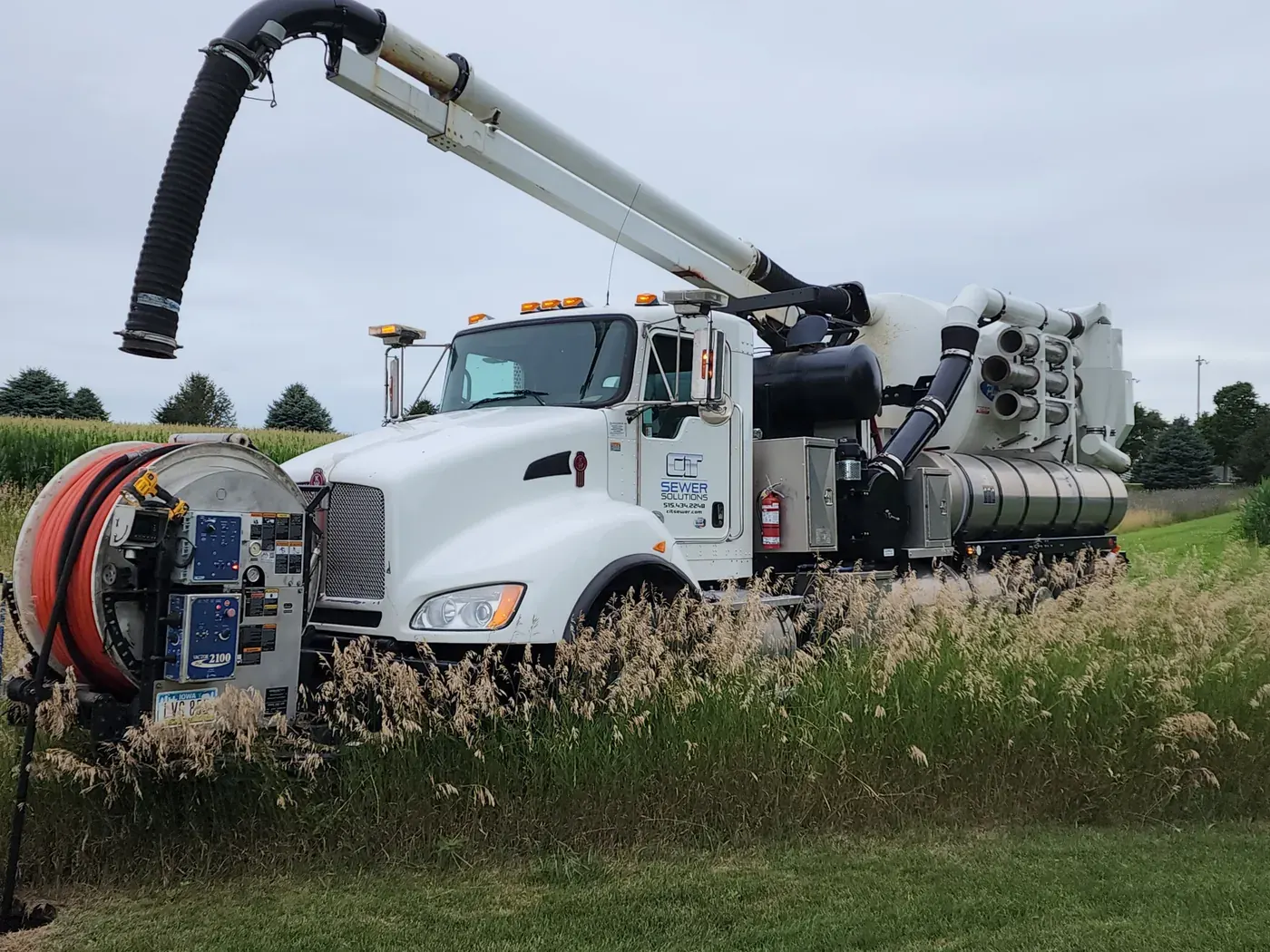
A CIT combination truck positioned in the field with its vacuum boom extended.

Industrial facilities

We inspect and repair the sewer lines serving your facility.

Our crews clean deposits from your facility’s sanitary and storm sewers, inspect recurring trouble locations and repair suitable damaged pipe or connections. We discuss sewer use, truck access and nearby operations with your site contacts so the proposed scope addresses the actual asset and working conditions.

Tell us about your sewer project.

We use your details to respond to your inquiry. You can submit it with internal analytics turned off. Read our Privacy Policy.

NASSCO Pipeline Assessment Certification Program (PACP) logo

Our PACP-certified professionals document your pipe conditions.

Our inspection professionals use NASSCO's Pipeline Assessment Certification Program to code visible pipe conditions for your staff and engineers to review.

Explore sewer inspection options.
NASSCO Manhole Assessment Certification Program (MACP) logo

We document your manhole defects using MACP condition codes.

Our municipal manhole assessment includes the selected MACP Level 1 or Level 2 assessment, so your staff can compare recorded conditions across your manhole inventory.

Explore manhole assessment options.

PACP and MACP are trademarks of NASSCO, Inc.

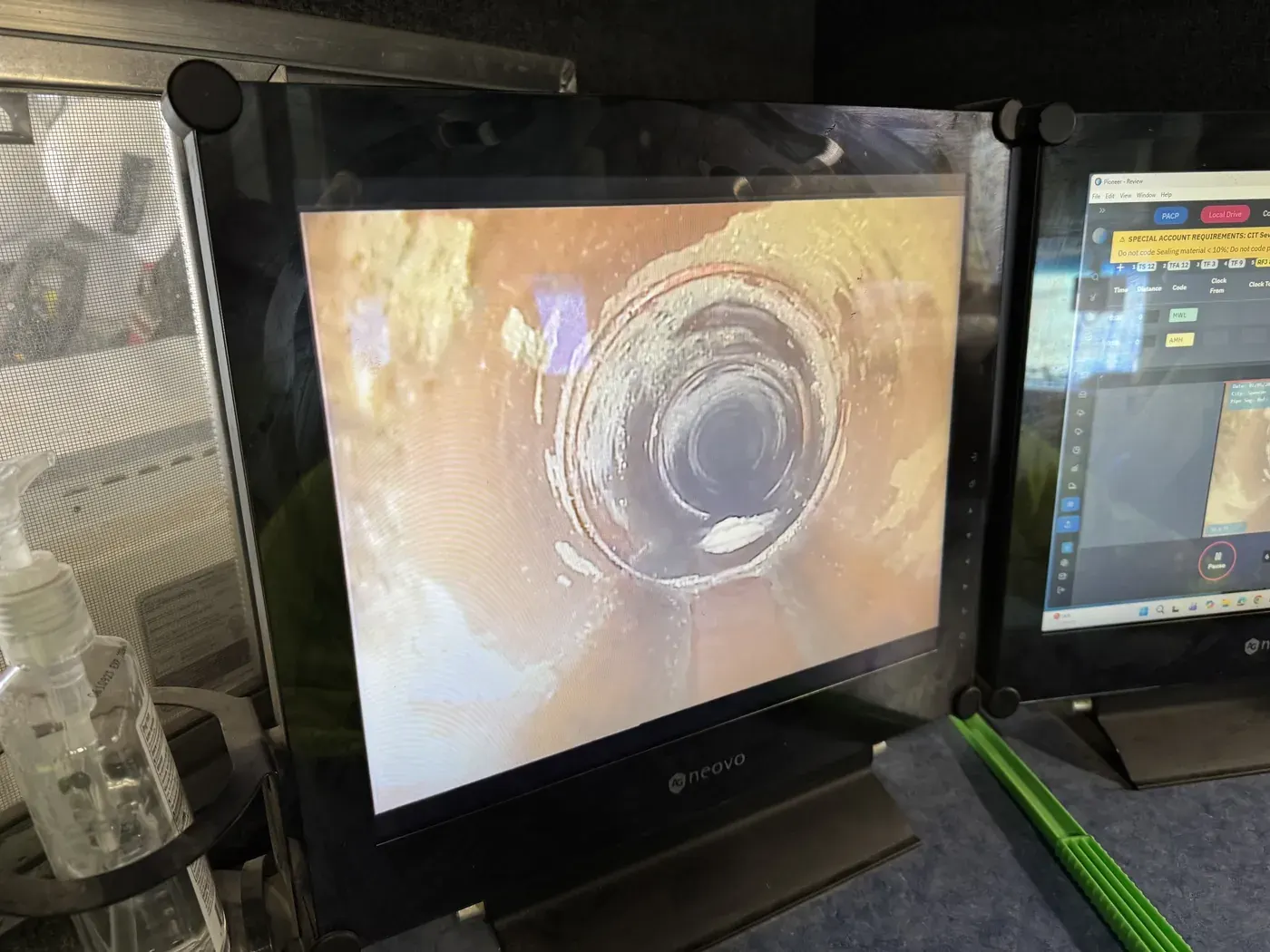
Inspection video of a pipe interior displayed on the monitor inside a CIT televising truck.
CCTV shows the visible pipe interior. Inspection helps distinguish deposits from damage at a recurring restriction.

01

We investigate the pipe that repeatedly needs cleaning.

A recurring restriction can involve deposits, roots, a protruding connection or damaged pipe. Our CCTV records the visible condition after any cleaning needed for camera access. Your staff can see whether the location needs routine deposit removal, targeted cutting or a repair assessment.

Our combination trucks provide jetting and vacuum recovery for suitable sewer cleaning. Identify the material present and your site’s handling requirements when requesting the service.
02

We inspect manholes and investigate wet-weather flow.

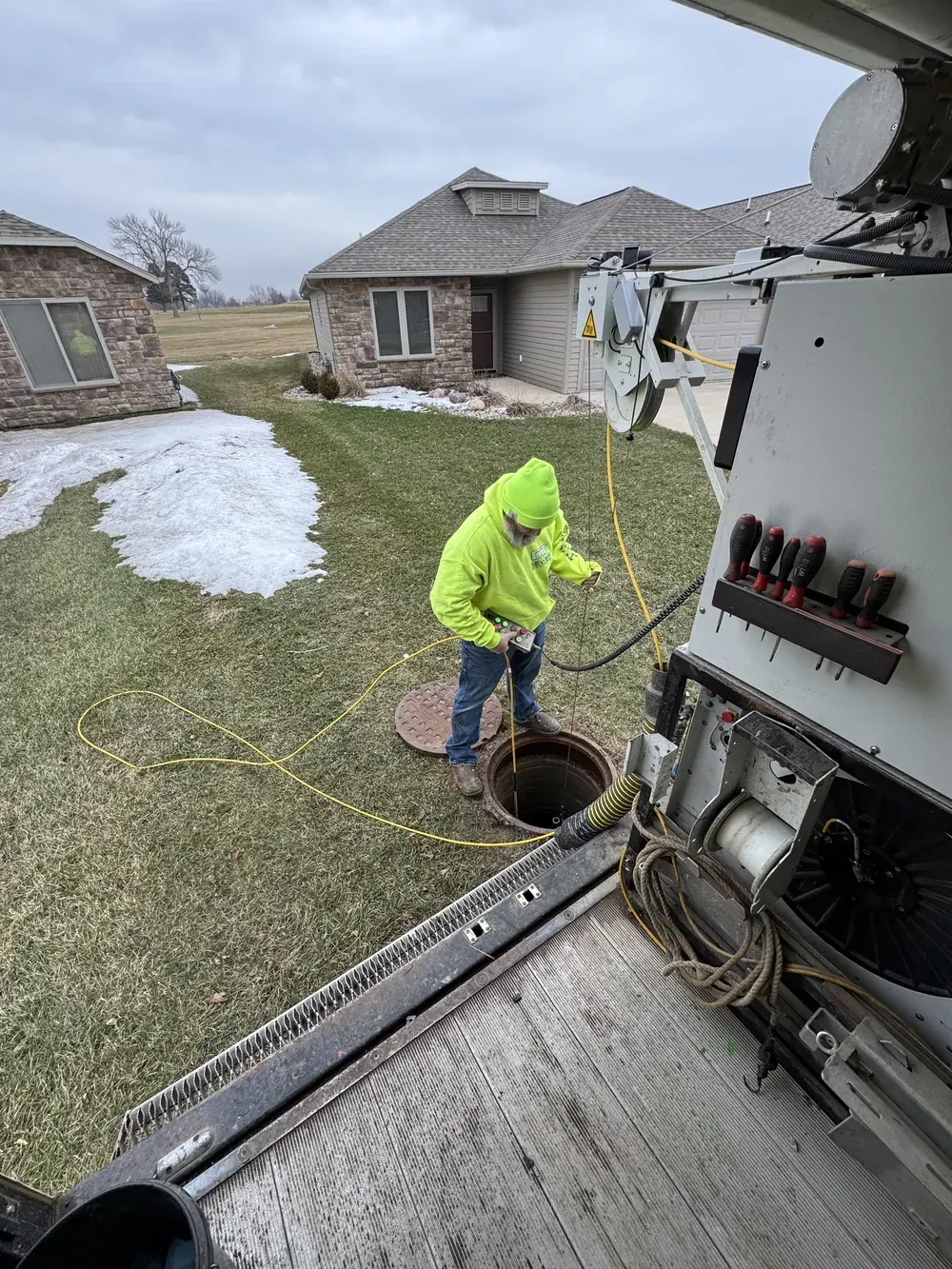
A CIT technician operates equipment at an open manhole.
Our technician is shown at an open manhole. Inspection records visible components inside the structure.

Our manhole inspections record visible wall deterioration, damaged joints and pipe connections. Where rainfall changes the flow in your private collection system, temporary monitoring can help identify the sewer areas that need closer investigation.

Smoke testing, dye testing and CCTV examine suspected entry paths within those areas. Monitoring identifies where to investigate; it does not locate every leak or repair the entry path.

03

We match the repair to your pipe and site conditions.

Point repairs treat suitable isolated defects, connection liners treat damaged main-to-lateral junctions, and UV lining treats suitable longer runs. Inspection defines the visible damage and surrounding condition before the installation approach is selected.

Share known wastewater characteristics, operating temperatures, sewer flows and required access windows. Pipe condition, material compatibility and flow arrangements affect the proposed repair. Required interruptions and bypass are addressed in the project scope.

04

Find the CIT contact for your project location.

We serve sewer projects in Iowa, Minnesota, Missouri, Nebraska, Arkansas and Colorado. Our local sales territories cover all 99 Iowa counties, six eastern Nebraska counties and Union County, South Dakota. Include each location when discussing a project across several sites.

Plan sewer work at your industrial facility.

Can you work around our operating schedule?
We discuss permitted access hours, production schedules, truck staging and sewer use with your site contacts. Those details determine the proposed timing and any required interruptions; the inquiry does not promise uninterrupted operation.
What information should our facilities team send?
Include the facility location, affected sewer or structures, recurring symptoms, available inspection records and known wastewater or access conditions. Describe material-handling requirements so the proposed scope can be reviewed for suitability.

Discuss Your Project

Discuss the sewer problem at your facility.

Tell us the affected assets, location, operating constraints and known conditions.

Call 515-434-2248