
01
List the sewer mains and laterals you need inspected.
Maps, segment identifiers, approximate quantities, and access information help your team and CIT agree on a practical inspection area.
Planning guidance
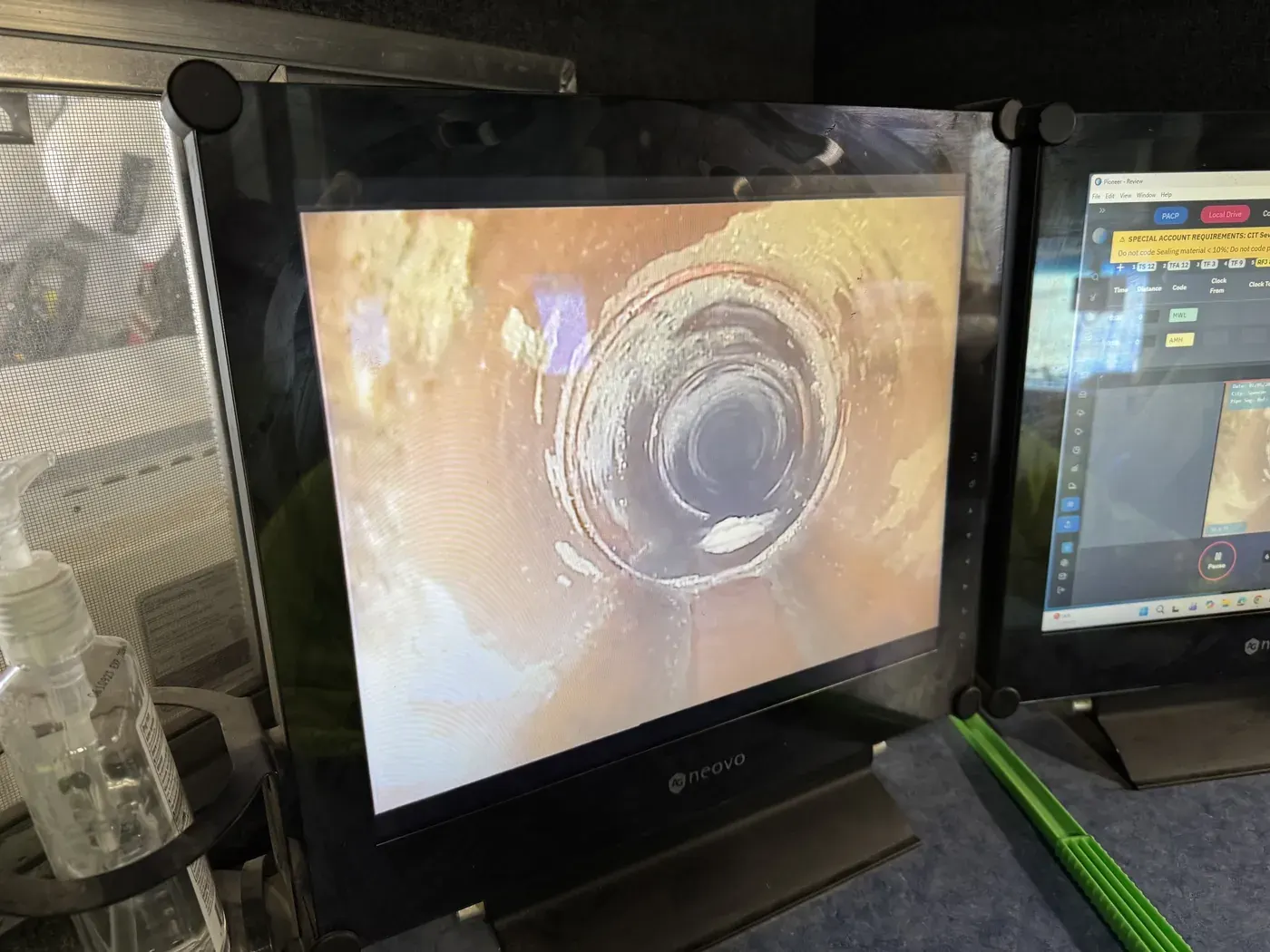
Start with the sewer location and the reason for inspection: recurring restrictions, damage needing repair, or completed work needing a camera check. Gather any maps and previous footage you have. The sections below explain how those details help CIT identify the mains and laterals to inspect.
Planning guidance
Tell us whether you need to investigate a recurring restriction, inspect damage before a repair, or document your sewer after completed work. That purpose helps determine which mains and laterals to inspect and whether cleaning is needed first.
Gather the information needed to scope your inspection.
01
Maps, segment identifiers, approximate quantities, and access information help your team and CIT agree on a practical inspection area.
02
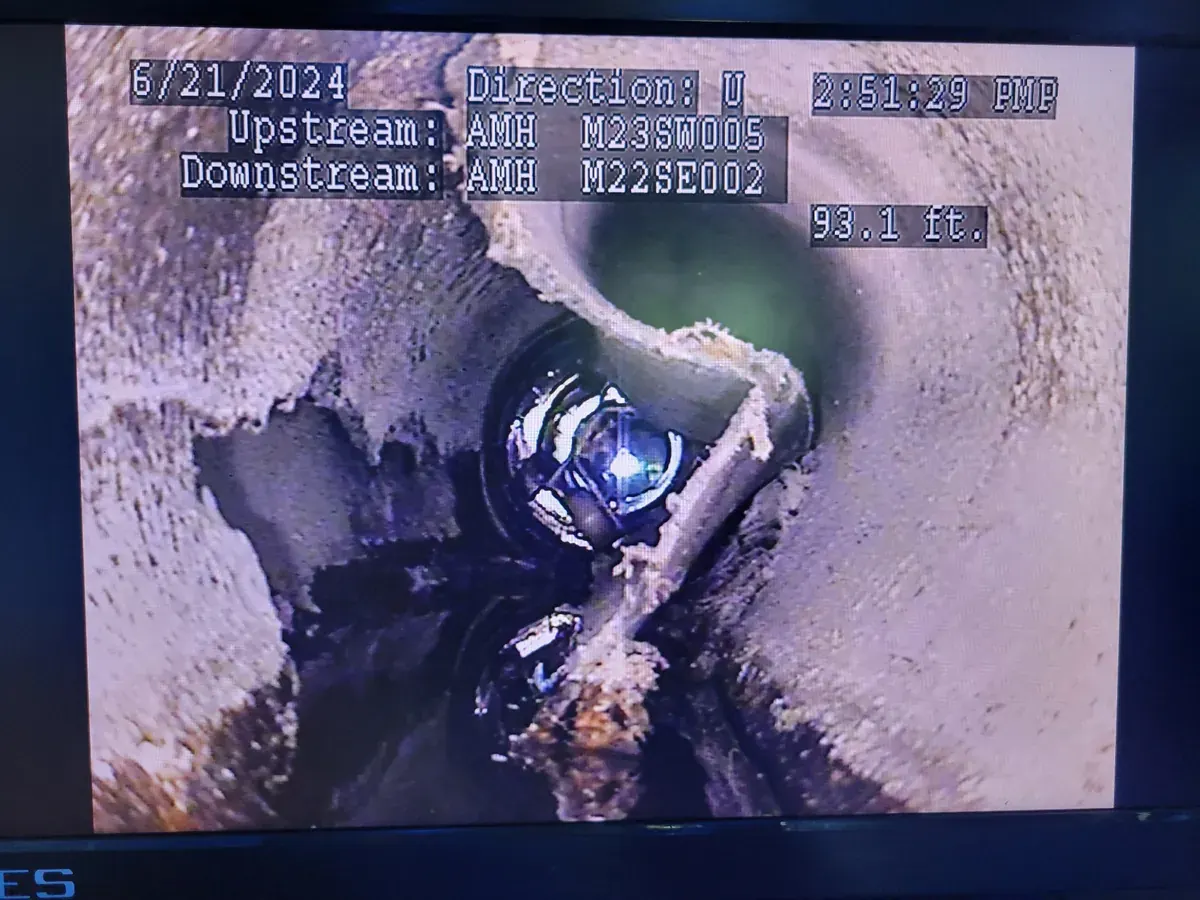
Tell us who will review your inspection and whether they require a particular report format or condition coding. For example, your engineer may need defect observations and distances along the inspected run when preparing a repair list. Your proposal will identify the video and reports included.
03
Roots or deposits in your footage may call for cleaning or cutting. A damaged joint may need a repair assessment. Visible water entry may warrant further I&I investigation. The inspection shows the condition; treatment of the identified problem is separate work.
04
Share your project purpose, location, asset list, access, records, desired deliverables, and timeline.
This article was last updated on September 10, 2026.
Discuss your inspection plan
Tell us your project purpose, location, asset list, access, records, deliverables, and timeline.
Find your local sales contact.Find your local sales contact or discuss a regional project.