
CIT Sewer Solutions
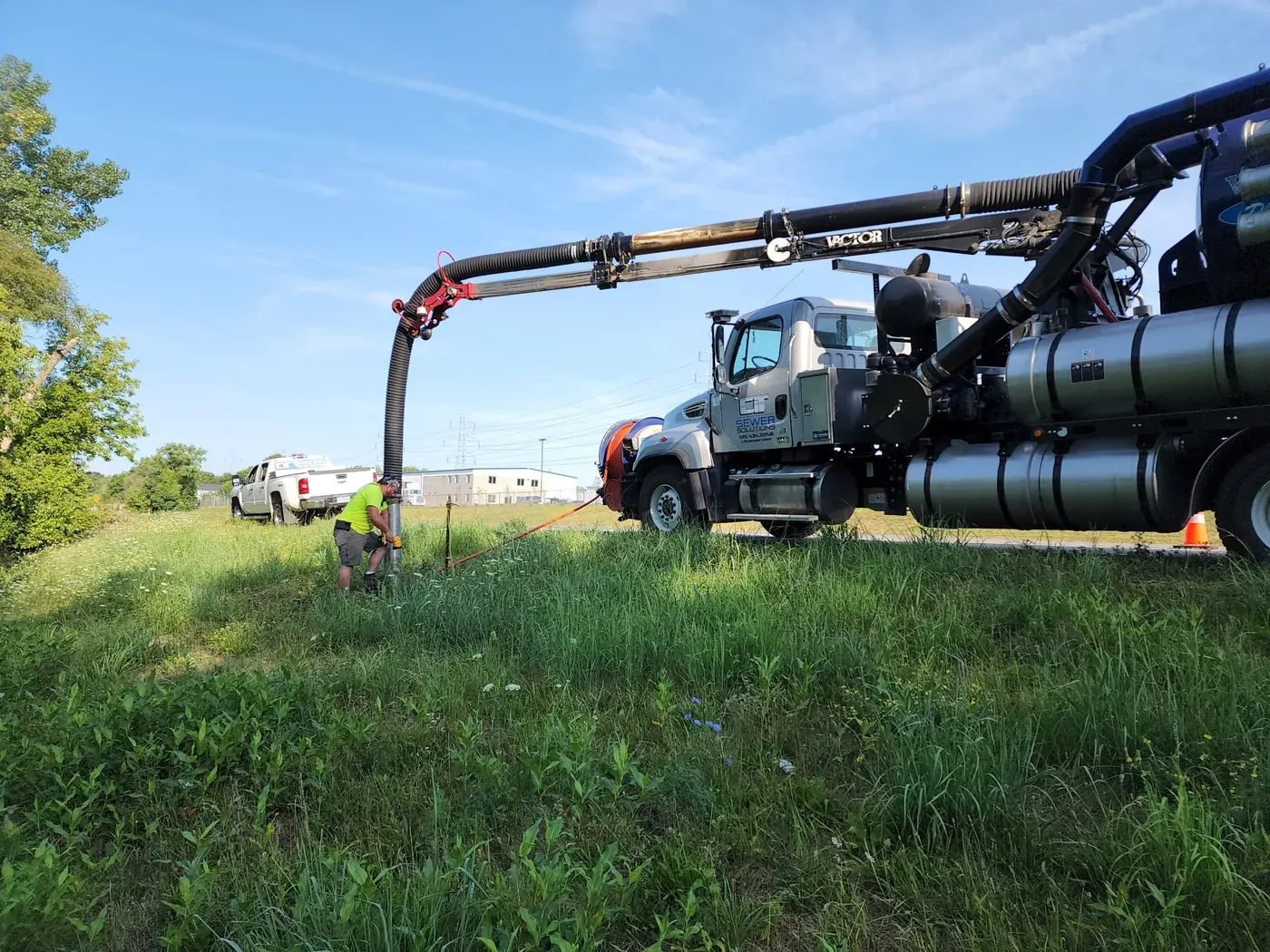
A CIT vacuum truck working from a grass shoulder with its boom extended over the work area.

Hydro excavation

We expose your buried utilities with hydro excavation.

Our hydro excavation equipment uses pressurized water and vacuum removal to expose buried utilities and open repair locations. We perform potholing, utility exposure, and excavation for access on your municipal, facility, or construction project. Your crew can see and reach the asset at the excavated location.

  • We expose your work area with water and vacuum excavation.
  • We support your utility exposure, potholing, and repair access.
  • Your project plan accounts for utilities and site operations.

Discuss your hydro excavation project.

We use your details to respond to your inquiry. You can submit it with internal analytics turned off. Read our Privacy Policy.

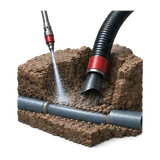
Illustration of a water lance and vacuum tube exposing an intact buried utility.

How we help

We remove soil where your crew needs to see or reach a buried utility.

Potholing opens a selected location so your contractor can see a utility before nearby work. A larger excavation can provide access to a buried asset needing repair. We loosen the soil with water and collect it by vacuum, with the opening planned around the task at your site.

We support your excavation and utility-access work.

  • We expose selected utility locations through potholing.
  • We open access to buried assets requiring inspection or repair.
  • We collect loosened soil and water by vacuum.
  • We plan truck access and staging around your work area.
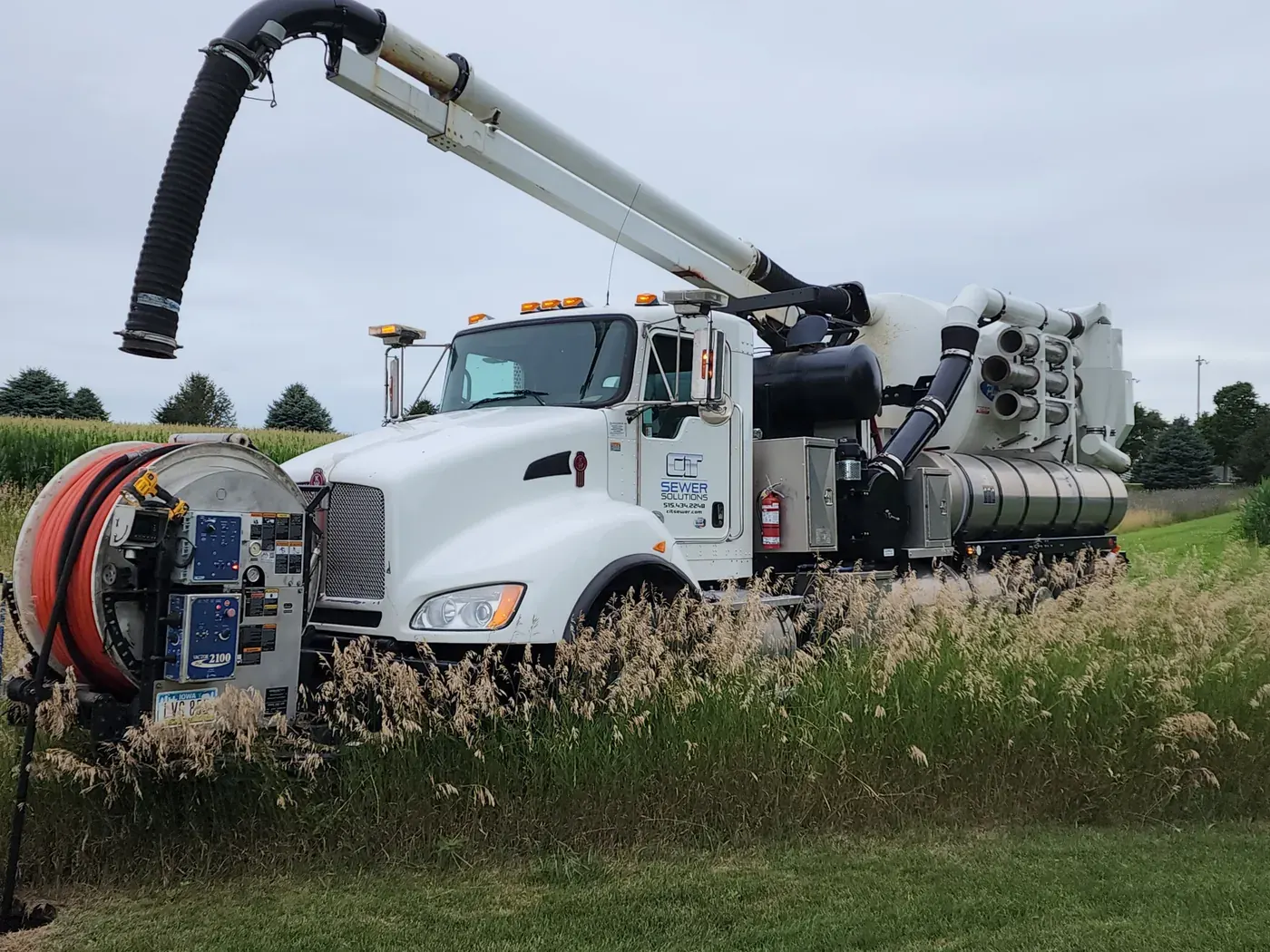
A CIT combination truck positioned in the field with its vacuum boom extended.
Our truck carries a hose reel and an overhead vacuum boom.

We prepare the site, loosen the soil, and vacuum the excavation.

  1. We review the utility and excavation location.

    We discuss what needs exposure, the expected depth, and the opening your crew needs. Utility identification and coordination are part of the preparation.

  2. We plan equipment access at your site.

    We review truck staging, available reach, ground conditions, and nearby operations. These determine how our equipment can reach the excavation.

  3. We loosen and remove the soil.

    Pressurized water breaks up soil at the selected location. Our vacuum collects the material as the excavation exposes the work area.

  4. We coordinate material handling and site completion.

    We establish handling, disposal, and surface-restoration arrangements for your site in the proposal. The exposed location provides access for the inspection, repair, or construction work that follows.

Project support

We expose your buried utilities for inspection or repair access.

Hydro excavation removes soil around the location your crew needs to reach. Your project may need a small opening to view a utility or a larger opening for access to an asset requiring repair.

  • Potholing lets your team see the buried utility at the selected excavation location.
  • An opening for repair access lets your crew reach the buried asset that needs work.
  • We plan the excavation around your truck access, known utilities, and arrangements for the removed soil.

Who This Is For

We work with municipalities, contractors, and facility teams.

  • Your municipality needs utility exposure within a public infrastructure project.
  • Your contractor needs potholing or access ahead of related work.
  • Your facility team needs to reach buried assets around its site operations.

01

We plan your excavation around nearby operations and access.
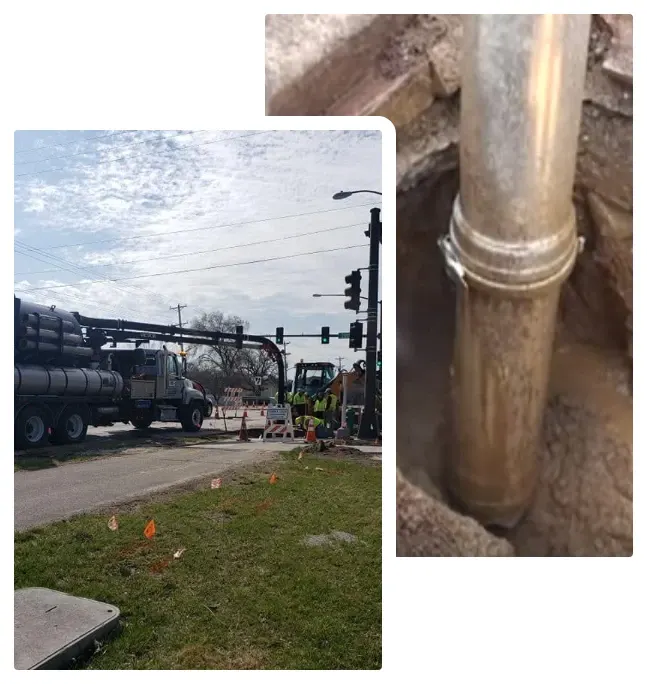
Two original photographs show a CIT vacuum truck beside a barricaded street work area and a vacuum intake inside an excavation.
Our truck extends its vacuum hose toward the street work area. The close view shows a vacuum intake inside an excavation.

Your excavation may be beside a facility entrance, within pavement, or near other buried services. We review traffic, truck staging, access hours, and utility information with your site contacts before arranging the work.

Depth, soil, reach, and weather affect the excavation. Hydro excavation still requires utility identification and coordination and cannot guarantee against utility damage.
02

We also inspect and repair the sewer assets at your project.

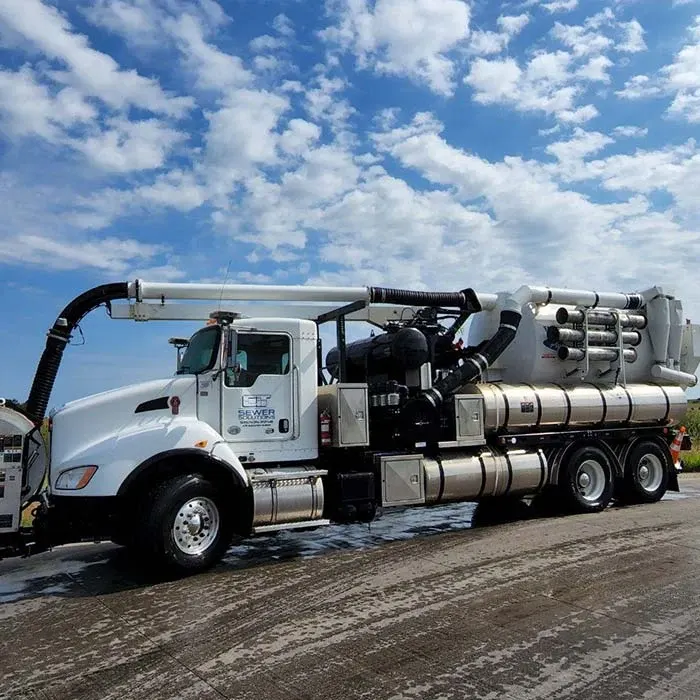
A side view of a CIT truck with its overhead vacuum boom, recovery tank and stored hose sections.
Our truck carries its vacuum tank, boom and hose sections on one vehicle.

Hydro excavation provides access outside your buried infrastructure. Inside your sewer, our CCTV, cleaning, robotic cutting, and trenchless repair services address pipe conditions. If the job involves both, we can discuss the excavation and sewer work together.

A suspected utility crossing through your sewer requires the affected utility owner to direct the response. Inspection or excavation does not authorize removal of that utility.

01

Find your project location in our service area.

We serve municipal, commercial and institutional sewer projects in Iowa, Minnesota, Missouri, Nebraska, Arkansas and Colorado. Tell us where your sewer is located and which assets need inspection, maintenance or repair so we can discuss the project requirements and scheduling.

Our local sales territories cover all 99 Iowa counties, six eastern Nebraska counties and Union County, South Dakota. The territory pages list their communities, counties and CIT contacts. For projects elsewhere in our six-state service area, use the full service-area page.

Plan access to your buried utilities.

How does hydro excavation expose our buried utilities?
Hydro excavation uses pressurized water to loosen soil and a vacuum to remove it from your work area. It can support controlled access to your buried utilities, with utility coordination and site conditions included in the scope.
What do you need to know before coming out?
Share your work location, the assets to expose, known depth, ground conditions, truck access, and operating restrictions. Include your utility identification and coordination requirements.
What happens to the spoil?
Excavated material is collected by vacuum. Confirm handling and disposal arrangements for your site and material in the proposed scope.
Can you work in a hardscaped or trafficked area?
Hydro excavation can be considered for your paved or trafficked work area. Access, traffic control, surface restoration, and utility conditions affect the scope.

Discuss hydro excavation

Tell us which buried asset your project needs to reach.

Describe your location, the exposure or repair-access task, known utilities, and site restrictions. You do not need a finished excavation plan to begin the conversation.

Call 515-434-2248