
CIT Sewer Solutions
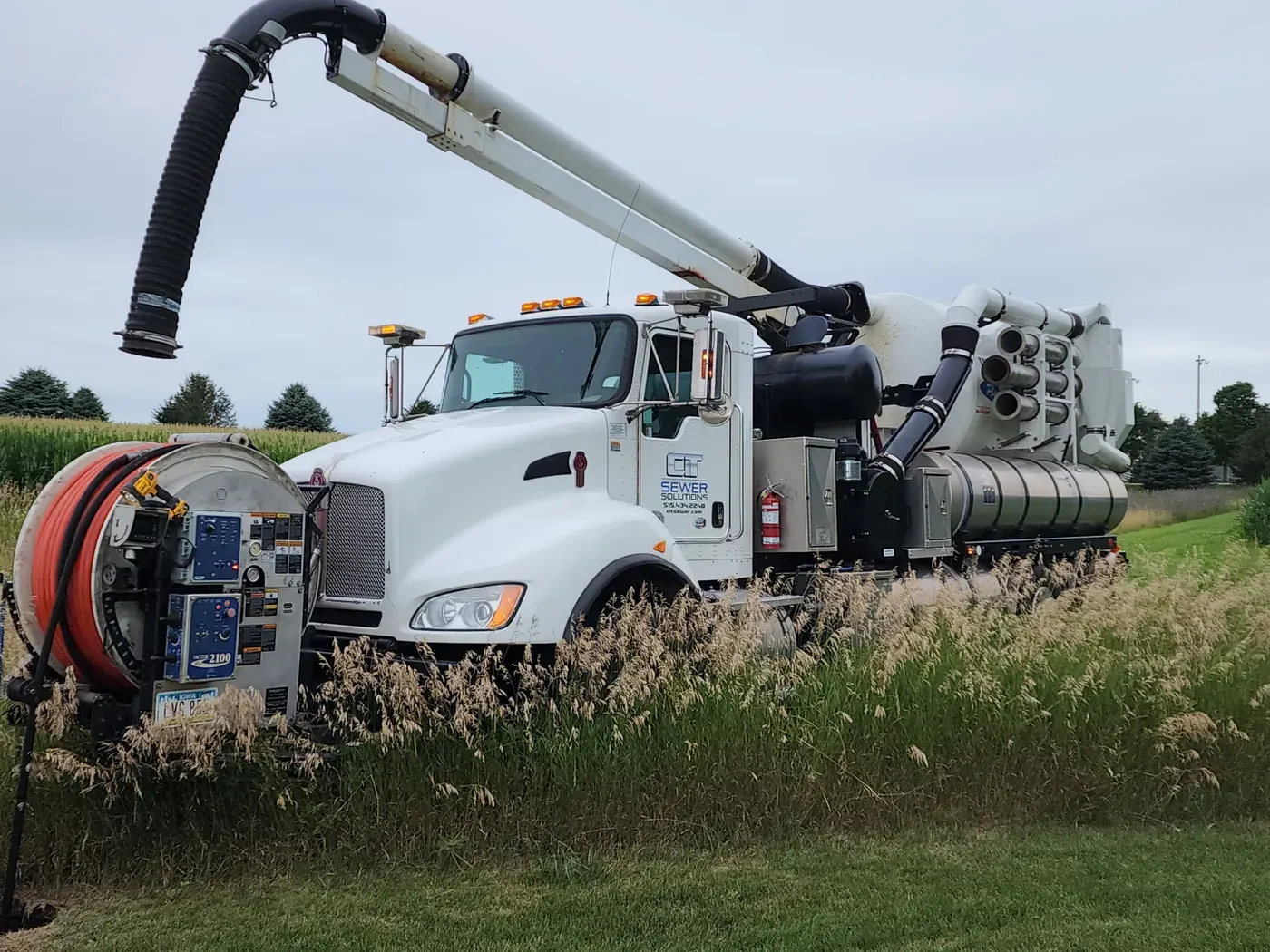
A CIT combination truck positioned in the field with its vacuum boom extended.

Planning guide

How often should your city clean and televise its sewer mains?

No single interval fits every collection system. The interval depends on the size of your system, your budget, and how often restrictions return to particular sewer segments. Our annual maintenance program can be set up as a five-year cycle that cleans and televises about 20 percent of your collection system each year.

01

What does a five-year cleaning and televising cycle cover?

Each year our crews jet and televise a planned portion of your collection system. We remove deposits, record the visible condition of each pipe segment with Pipeline Assessment Certification Program (PACP) codes, and review the trouble locations with your staff. At about 20 percent a year, the cycle is planned to clean and televise each sewer main your city maintains once in five years.

The 20 percent share is a starting configuration, not a required contract term. We adjust the annual share and the work areas to the size of your system, your budget, and your priorities.

02

Which sewer segments should your city clean more often?

Some segments need cleaning again before the five-year cycle returns to them. Roots that return at the same joint, grease, and deposits that settle in a low section of your pipe can restrict a sewer main again within that time. Your annual work area can include those recurring trouble locations along with the planned share of your system.

Closed-circuit television (CCTV) inspection at a recurring trouble location can show why the restriction keeps returning, such as a root entry point, a protruding tap, or a damaged joint.

03

Why does your city clean a sewer main before televising it?

Deposits and debris can hide your pipe wall or stop the camera. Our crews jet that material loose and recover it with vacuum equipment, so the camera can record the pipe itself.

04

How does each year's inspection shape your next budget?

After each year's cleaning and televising, we review the recorded pipe conditions with your staff. The review separates locations that need more cleaning or root cutting from locations that are candidates for a point repair, a lateral connection repair, or lining. Your staff can carry those repair candidates into the next work plan and budget. Each repair is scoped, priced, and authorized separately.

05

What should move one of your sewer segments up your schedule?

A street scheduled for reconstruction is a reason to televise its sewer mains first, so your engineer knows their condition before the project is designed.

Wet-weather flow increases are another reason. Temporary flow monitoring can show which parts of your collection system respond most to rainfall, and those areas can move into the next year's cleaning and televising.

This guide was last updated on November 12, 2026.

Ask us how the annual maintenance program fits your collection system.

Is flow monitoring part of the annual maintenance program?
No. Temporary flow monitoring is scoped separately. It can be added to focus the next year's work area.
Can CIT clean one problem sewer main without an annual program?
Yes. We provide one-time and scheduled sewer cleaning and jetting as a separate service.

Discuss your maintenance program

Plan an annual maintenance program for your collection system.

Tell us the size of your collection system, your recurring trouble locations, and the inspections you already have.

Call 515-434-2248